Imagine a world without preservatives, where fruits quickly turn brown, bread goes stale within hours, and canned goods spoil before reaching our shelves. Preservatives are the unsung heroes of the...


Imagine a world without preservatives, where fruits quickly turn brown, bread goes stale within hours, and canned goods spoil before reaching our shelves. Preservatives are the unsung heroes of the...

In today’s globalized world, food travels long distances before reaching consumers. From farms to processing units, distribution centers, and retail stores, the journey of food involves multiple...
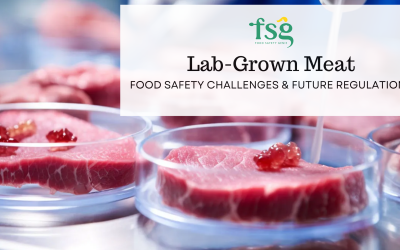
Introduction The global food system is undergoing a transformation as biotechnology introduces innovative alternatives to conventional animal agriculture. One such innovation is lab-grown meat, also...
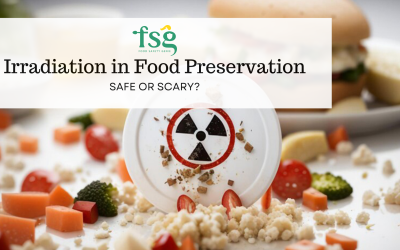
As the global food system struggles with foodborne illnesses, post-harvest losses, and the demand for safer, longer-lasting food, modern preservation technologies are gaining attention. One such...

Heavy metal contamination in food has become a significant global food safety concern, and it is particularly relevant in rapidly industrializing countries like India. Metals such as lead, mercury,...

Introduction Food safety is a critical global concern due to increasing population growth, globalization of food supply chains, and rising consumer demand for high-quality and minimally processed...

Food safety is a critical concern in modern food processing, yet one of the most persistent and underestimated threats often goes unnoticed—biofilms. These complex microbial communities silently...

Defrosting food safely is one of the most important steps in preventing foodborne illnesses. Whether you’re thawing chicken for tonight’s dinner or preparing ground beef for a weekend cookout, the...

As we age, our bodies undergo significant physiological changes—slower metabolism, reduced appetite, weakened immune function, and increased risk of chronic illnesses. These changes make older...

Packing a school lunch may seem simple, but ensuring it stays safe and fresh until lunchtime is a whole different story. Between early mornings, warm classrooms, and long gaps before eating,...

Introduction: What Is Halal Certification? Halal—Arabic for “permissible” under Islamic law—refers to goods and services compliant with Shariah dietary and ethical principles. Halal certification is...

Introduction: Why "Jaivik Bharat" Matters India’s organic food industry is booming—but with growth comes challenges: mislabeling, misleading claims, and consumer skepticism. To address these issues,...

With the growing demand for ethically sourced, animal-free products, vegan certification has become essential in India. For food businesses in particular, the introduction of an official vegan logo...

The growing global awareness of environmental issues has led to a significant shift in packaging practices, particularly in the food industry. One of the most impactful changes is the integration of...

When you reach for a packaged food item—whether it's yogurt, ready-to-eat meals, or a bottle of juice—there’s a small but critical detail on the label: the expiration date. But how is this date...

In India’s rapidly evolving food processing industry, maintaining stringent hygiene and safety standards is crucial—not just for consumer protection but also for global trade compliance. As India...

In the food processing industry, water is more than just a utility—it's a critical ingredient, a cleaning agent, a processing aid, and sometimes even a final rinse. Given its multifaceted role, the...

In a diverse and evolving food landscape like India, food allergies are emerging as a serious public health concern. With increasing incidence of allergies and heightened consumer awareness, the...

In today’s fast-paced world, leftovers are a convenient and economical way to reduce food waste and simplify meal planning. However, how you reheat your food matters—not just for taste and texture,...

In today’s health-conscious society, consumers are increasingly drawn to food labels that claim to be “natural” or “organic.” These terms are often associated with safer, healthier, and more...

In recent years, air fryers have surged in popularity, praised for their ability to produce crispy, flavorful meals with minimal oil. From convenience to health benefits, air fryers have found a...