
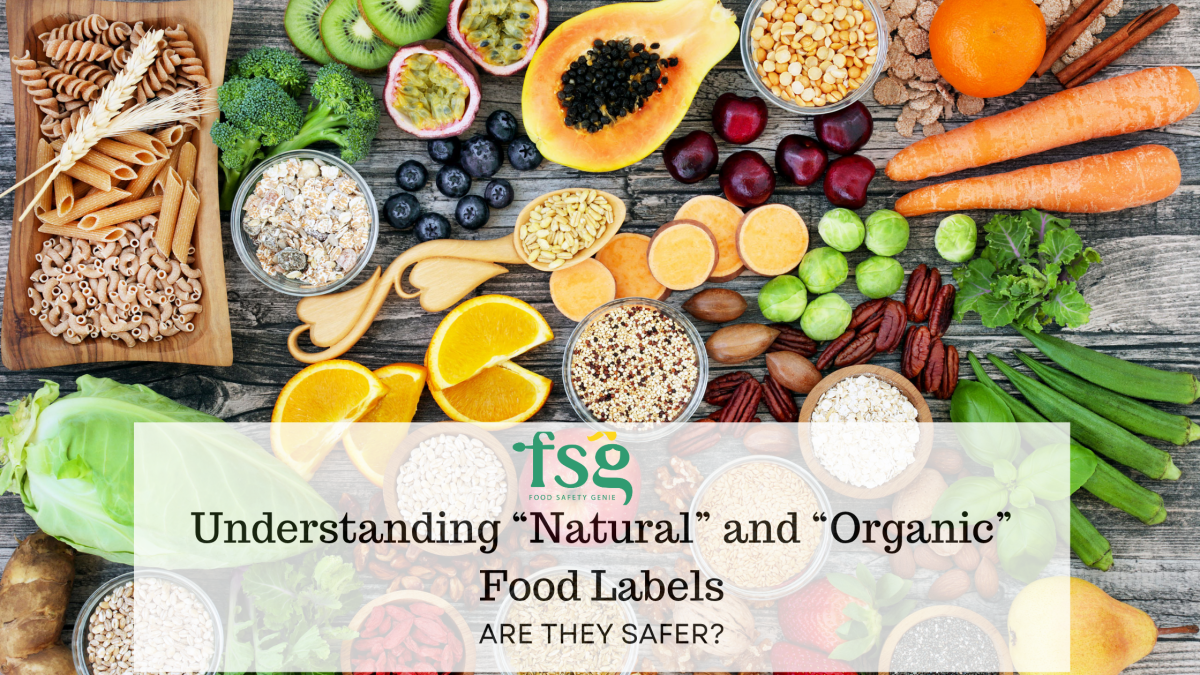
In today’s health-conscious society, consumers are increasingly drawn to food labels that claim to be “natural” or “organic.” These terms are often associated with safer, healthier, and more environmentally friendly choices. But what do they actually mean—and are these foods truly safer?

Image Reference: www.hotzehwc.com
What Is “Natural” According to FSSAI?
In 2018, FSSAI issued clear guidelines regarding the use of terms such as “natural,” “fresh,” “pure,” and “organic” to reduce consumer confusion and prevent misleading claims.
FSSAI Definition of “Natural” Food:
As per FSSAI regulations:
“A food shall be called natural if it is a single food derived from a recognized source (plant, animal, mineral) and has nothing added to it and has undergone only processing such as washing, peeling, chilling, trimming, cutting, drying, etc., which does not alter the basic nature of the food.”
What “Natural” Cannot Mean:
- Foods with additives, preservatives, or flavor enhancers cannot be labeled “natural.”
- Processed or multi-ingredient foods are not allowed to carry this label unless all components individually qualify as “natural.”

Image Reference : www.vecteezy.com
What Is “Organic” According to FSSAI?
Organic food is more strictly regulated than “natural” under Indian law.
FSSAI Guidelines for Organic Food:
FSSAI’s Food Safety and Standards (Organic Foods) Regulations, 2017 mandate that all organic food products in India must be certified under one of the following systems:
- NPOP (National Programme for Organic Production) – regulated by the Ministry of Commerce.
- PGS-India (Participatory Guarantee System) – coordinated by the Ministry of Agriculture.
These systems ensure:
- No use of synthetic chemicals, pesticides, or genetically modified organisms (GMOs).
- Organic feed and natural living conditions for animals.
- Soil health and biodiversity are protected.

Image reference : www.researchgate.net
Mandatory Organic Logo:
FSSAI requires certified organic foods to carry the Jaivik Bharat logo along with the certification logo (PGS or NPOP).
Are Natural and Organic Foods Safer?
Health & Safety:
- Pesticide Residue: Organic foods have significantly lower pesticide residues. FSSAI also conducts random sampling to monitor chemical levels.
- Additives: Certified organic products generally avoid artificial additives, colors, and preservatives.
- Nutrition: Some studies suggest minor nutritional advantages in organic produce, but overall health benefits depend more on dietary patterns than on labels alone.
Foodborne Risks:
Organic and natural foods are not immune to contamination. Proper hygiene, storage, and handling are essential regardless of the label.
Environmental Safety:
Organic farming is often more sustainable—supporting soil health, water conservation, and biodiversity. FSSAI encourages such practices through its regulatory backing of PGS and NPOP systems.
Misleading Labels: What You Should Watch Out For
- Unverified “Organic” claims: Products claiming to be organic without FSSAI/PGS/NPOP certification should be avoided.
- Natural ≠ Healthy: A “natural” label doesn’t mean the food is low in sugar, fat, or salt.
- Imported Organic: Foreign organic products must also meet Indian certification standards to be sold as organic.
How to Make Informed Food Choices
- Look for FSSAI Certification: Check for the FSSAI license number and the Jaivik Bharat logo on organic products.
- Read Ingredient Lists: A “natural” or “organic” label doesn’t mean a product is unprocessed or healthy—always read the ingredients.
- Buy from Trusted Brands or Stores: Purchase from certified sellers or farmer cooperatives who follow approved organic protocols.
- Stay Updated: FSSAI regularly updates guidelines for food labeling. Visit www.fssai.gov.in for the latest rules.
Conclusion
“Natural” and “organic” labels can guide healthier food choices—but only when they’re used correctly and certified under the right systems. Thanks to FSSAI’s growing oversight, Indian consumers now have better tools to separate fact from marketing fiction.
While organic foods, regulated through PGS and NPOP, offer a higher assurance of safety and sustainability, the term “natural” should be approached with caution unless clearly defined on the label.