
Defrosting food safely is one of the most important steps in preventing foodborne illnesses. Whether you’re thawing chicken for tonight’s dinner or preparing ground beef for a weekend cookout, the method you choose matters. Using the wrong technique can let harmful bacteria multiply—and that’s the last thing you want in your kitchen.
In this guide, we’ll take an in-depth look at the three safe and USDA-recommended defrosting methods:
- Refrigerator thawing
- Cold running water thawing
- Microwave thawing
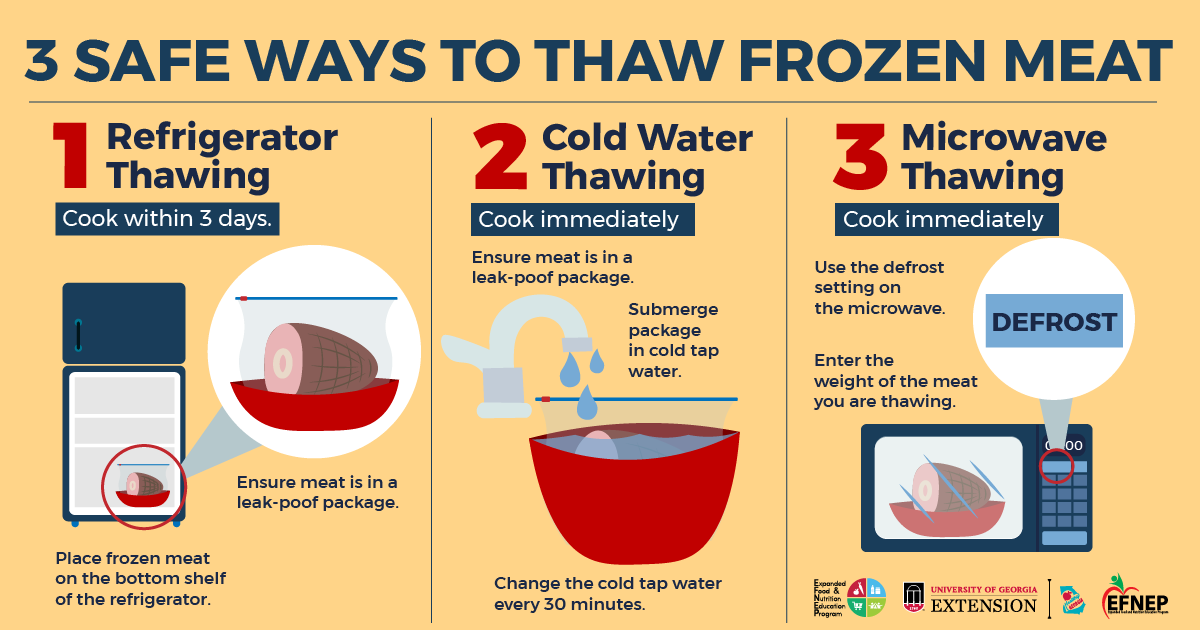
Image Reference: www.fortrexsolutions.com
Why Safe Defrosting Matters
Frozen foods begin to enter the “danger zone” (40°F–140°F or 4°C–60°C) when they warm up. In this temperature range, bacteria like Salmonella and E. coli can multiply rapidly. The goal of any thawing method is to keep food out of that danger zone as much as possible.
Unsafe methods—like thawing food on the counter or soaking it in hot water—may seem convenient, but they raise the risk of contamination.
Now let’s look at the safe options.
1. Refrigerator Thawing (The Safest & Easiest Method)
How It Works
Place the frozen food—still wrapped or in a leakproof container—on a dish in the refrigerator at 40°F (4°C) or below. Let it thaw gradually over several hours or overnight.
Pros
- Safest method: Food stays at a consistently safe temperature.
- Best quality: Texture and flavor remain intact during slow thawing.
- Flexible timing: Once thawed, food can stay in the fridge for a day or two before cooking.
- Can refreeze safely (if thawed in the fridge and handled properly).
Cons
- Slow: May take 12–24 hours depending on food size.
- Requires planning ahead.
Thawing Time Estimates
- Ground meat: 12–24 hours
- Whole chicken/turkey: 24 hours per 4–5 pounds
- Fish fillets: 6–8 hours
- Steaks/chops: 12–24 hours
Best For
Meal planners, busy households, large cuts of meat, or anytime quality and safety are top priorities.
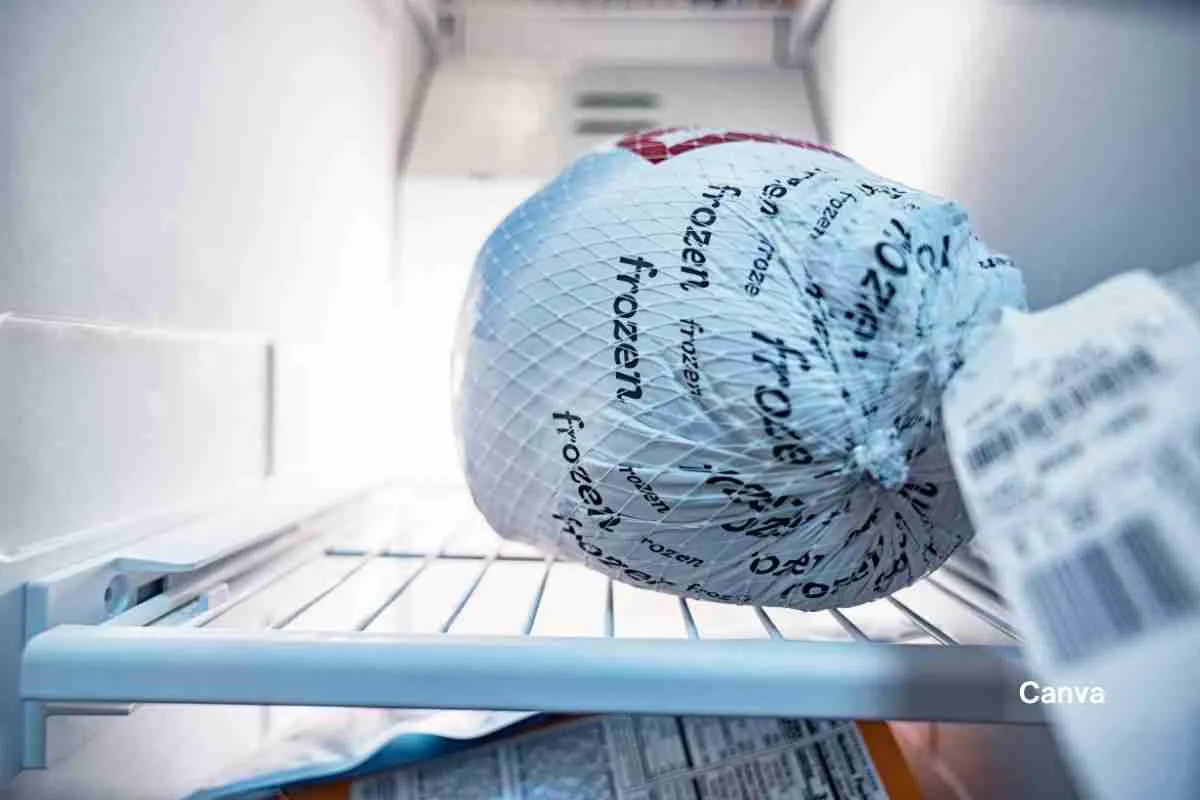
Image Reference: www.caribbeangreenliving.com
2. Cold Running Water Thawing (Fast & Effective)
How It Works
Seal the food in a leakproof bag and submerge it under cold running water or in a basin that is refreshed every 30 minutes to maintain cold temperature.
Pros
- Much faster than refrigerator thawing
- Safer than room-temperature thawing
- Keeps food quality fairly high
Cons
- Requires more attention
- Requires constant cold water flow or regular water changes
- Food must be cooked immediately after thawing
- Cannot safely refreeze without cooking first
Thawing Time Estimates
- Small meat cuts: 1–2 hours
- Chicken breasts: 1 hour
- Whole chicken/turkey: Several hours depending on size
- Fish fillets: 30 minutes–1 hour
Best For
Last-minute meal prep when you still want good quality and safe thawing.
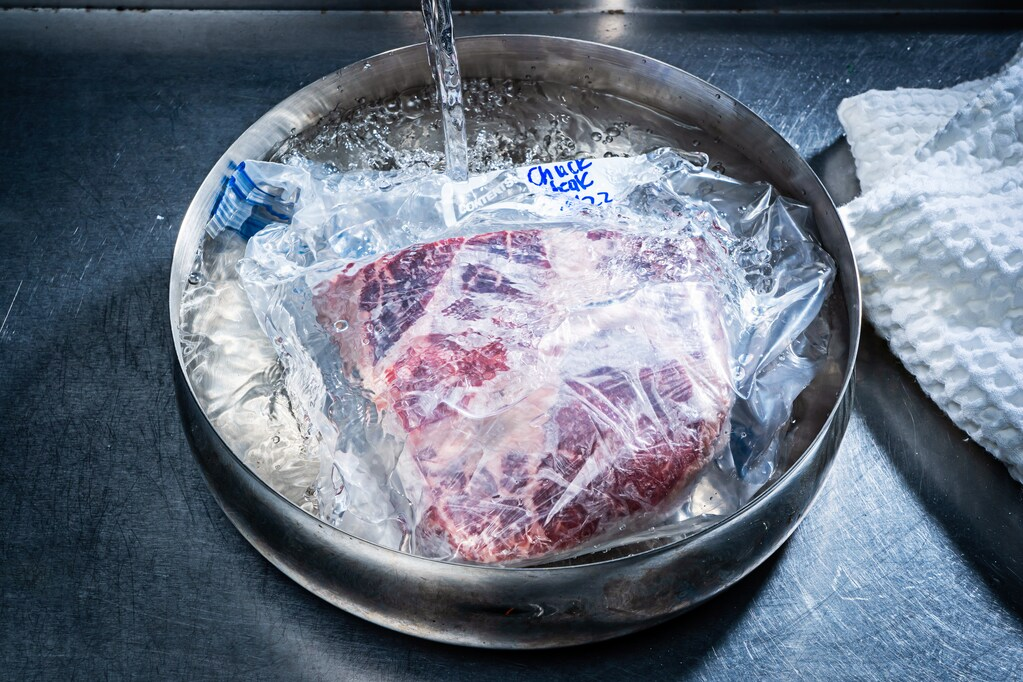
Image Reference: www.ubibeefinspection.com
3. Microwave Thawing (Quickest but Needs Care)
How It Works
Use your microwave’s defrost setting, which alternates between low power and rest cycles to thaw food more evenly.
Pros
- Fastest safe method
- Great for small items or when you’re short on time
- Convenient and simple
Cons
- Uneven thawing: Some areas may start to cook instead of defrost
- Can affect food texture, especially meats
- Must cook immediately—food can enter the danger zone during microwaving
- Cannot refreeze without cooking first
Best For
Quick meals, emergency thawing, or small portions that will be cooked right away.
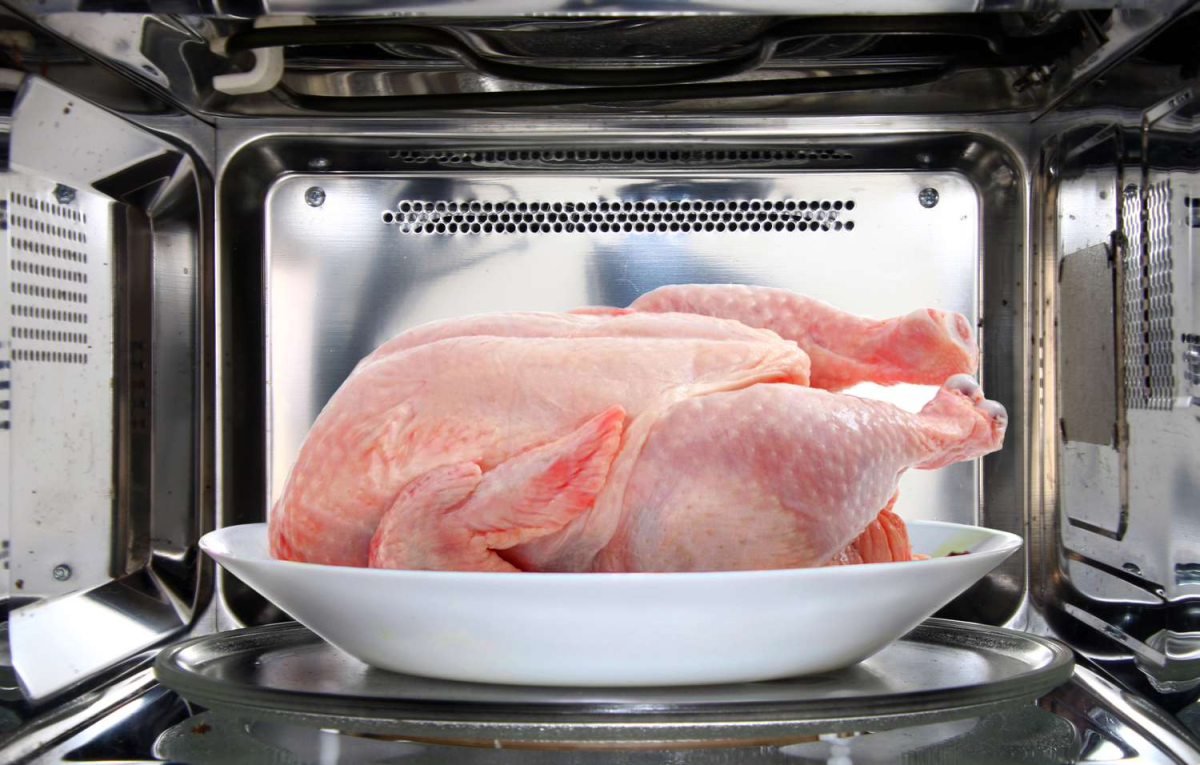
Image Reference: www.realsimple.com
Bonus Tips for Safe Thawing
1. Don’t thaw food on the counter.
Leaving food out at room temperature allows bacteria to grow rapidly.
2. Cook some foods directly from frozen.
Some foods—like vegetables, burgers, chicken nuggets, and seafood—can safely be cooked without thawing.
3. Prevent cross-contamination.
Keep thawing foods away from fresh produce. Use separate plates and utensils.
4. Refreeze only if thawed in the fridge.
Refrigerator-thawed food can safely be refrozen (though quality may drop slightly).
5. Always follow recipe cooking temperatures.
Use a food thermometer to ensure your dish reaches safe internal temperatures.
Conclusion
When it comes to food safety, defrosting is just as important as cooking. Whether you prefer the slow convenience of the fridge, the moderate speed of cold water, or the rapid convenience of the microwave, each method has its place.
- Use the fridge for best safety and quality.
- Use cold running water when you need food ready in a couple of hours.
- Use the microwave only when cooking immediately.
By choosing the right thawing method, you keep your meals delicious—and your kitchen safe.