
As the global food system struggles with foodborne illnesses, post-harvest losses, and the demand for safer, longer-lasting food, modern preservation technologies are gaining attention. One such technology—food irradiation—often sparks debate. While scientists and regulators largely endorse it, consumers frequently associate it with fear due to the word radiation.
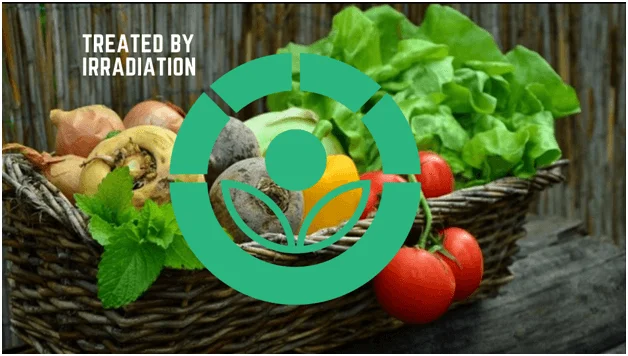
Image reference:www.symecengineers.com
What Is Food Irradiation?
Food irradiation is a preservation technique in which food is exposed to controlled doses of ionizing radiation such as:
- Gamma rays
- X-rays
- Electron beams (E-beam)
The purpose is to destroy or deactivate harmful microorganisms, insects, and parasites that cause food spoilage and foodborne diseases. Unlike cooking or pasteurization, irradiation is a cold process, meaning it does not significantly raise the temperature of food.
Importantly, irradiated food does not become radioactive. The radiation passes through the food much like light passes through glass, leaving no residue behind.
Why Is Food Irradiation Used?
Food irradiation serves several important purposes:
1. Enhanced Food Safety
It significantly reduces pathogens such as Salmonella, E. coli, Listeria, and Campylobacter, which are responsible for millions of food poisoning cases worldwide.
2. Extended Shelf Life
By slowing microbial growth and enzymatic activity, irradiation helps extend the shelf life of perishable foods like spices, grains, fruits, and meats.
3. Insect and Pest Control
Irradiation prevents insect infestation in grains, pulses, dried fruits, and spices without the need for chemical fumigants.
4. Quarantine Treatment for Exports
Many importing countries accept irradiation as a phytosanitary treatment, helping countries like India meet export requirements.
Does Irradiation Affect Nutritional Quality?
Like all food processing methods, irradiation can cause minor nutrient losses, particularly in sensitive vitamins such as:
- Vitamin A
- Vitamin C
- Vitamin E
However, these losses are comparable to or lower than those caused by cooking, drying, or canning. Proteins, fats, carbohydrates, and minerals remain largely unaffected.
Global Scientific Consensus on Safety
Major international organizations support food irradiation when applied within approved limits:
- World Health Organization (WHO)
- Food and Agriculture Organization (FAO)
- International Atomic Energy Agency (IAEA)
- Codex Alimentarius Commission
Decades of research confirm that irradiated foods are safe, wholesome, and nutritionally adequate.
Food Irradiation in India: The FSSAI Perspective
Regulatory Framework
In India, food irradiation is regulated through a dual regulatory system:
1. Food Safety and Standards Authority of India (FSSAI)
Established under the Food Safety and Standards Act, 2006, FSSAI is responsible for setting food safety standards and regulating food processing methods, including irradiation.
Irradiation provisions are included under the Food Safety and Standards (Food Products Standards and Food Additives) Regulations and subsequent amendments.
2. Atomic Energy Regulatory Board (AERB)
The Atomic Energy (Control of Irradiation of Food) Rules govern:
- Approval of irradiation facilities
- Radiation sources
- Dose limits
- Safety of personnel and infrastructure
Only AERB-licensed facilities are permitted to irradiate food in India.
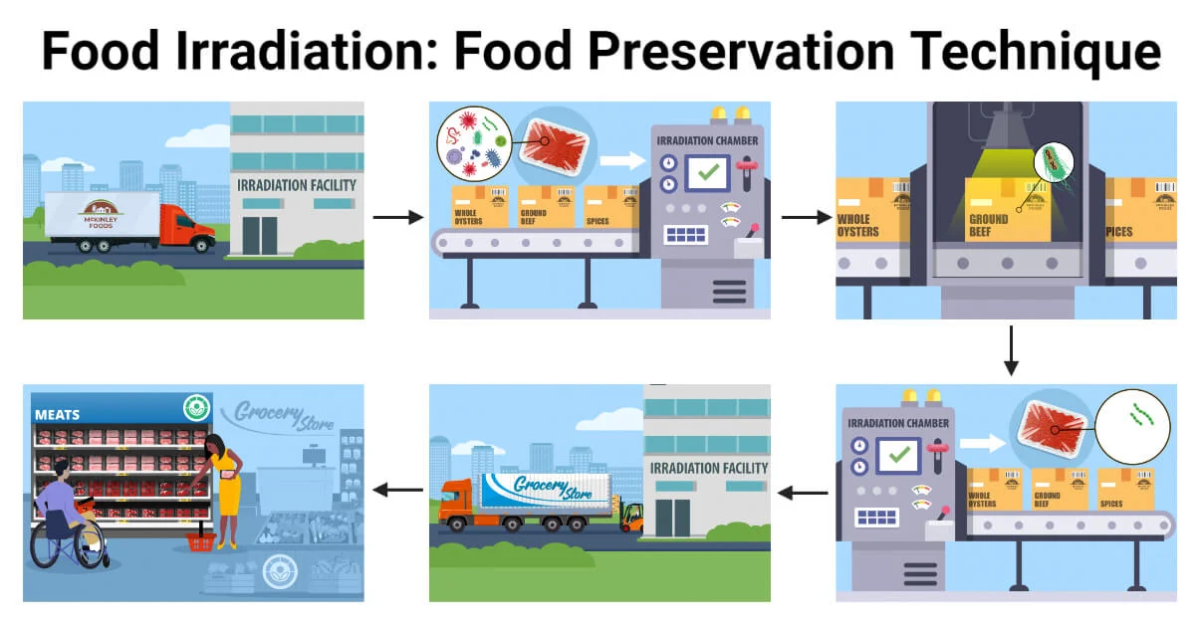
Image reference : www.microbenotes.com
Permitted Foods and Conditions in India
Under Indian regulations:
- Only approved food categories can be irradiated
- Irradiation must be done for a justified technological purpose
- Dose limits must strictly comply with prescribed standards
- Re-irradiation of food is prohibited unless explicitly permitted
Labelling Requirements
Transparency is a key requirement under FSSAI.
Irradiated foods must:
- Carry the Radura symbol
- Include a declaration such as “Treated with radiation” or “Processed by irradiation”
This ensures consumers can make informed choices.
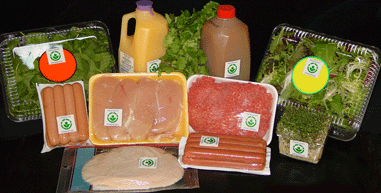
Image reference : www.researchgate.in
Licensing and Compliance for Food Businesses
FSSAI has introduced “Radiation Processing of Food” as a recognized Kind of Business (KoB) under the FoSCoS licensing system.
Food Business Operators (FBOs) involved in irradiation must:
- Obtain a valid FSSAI license
- Maintain detailed treatment records
- Ensure trained personnel operate the facility
- Follow all safety and documentation requirements
Why Food Irradiation Is Important for India
1. Reducing Post-Harvest Losses
India experiences high losses of food due to pests and microbial spoilage. Irradiation offers a chemical-free solution to improve food security.
2. Supporting Agricultural Exports
Irradiation helps Indian agricultural products meet international quarantine and safety standards, improving export competitiveness.
3. Improving Public Health
By reducing foodborne pathogens, irradiation can lower the burden of food-related illnesses.
Public Perception: Why Is It Still Scary?
Despite strong scientific and regulatory support, consumer fear persists due to:
- Association of radiation with nuclear accidents
- Lack of awareness
- Misconceptions about radioactivity
- Preference for “natural” or minimally processed foods
To address this, FSSAI has issued guidance notes and awareness initiatives explaining the science and safety of irradiated foods.
Conclusion: Safe or Scary?
Food irradiation is:
✔ Scientifically proven
✔ Strictly regulated in India
✔ Safe when used within prescribed limits
✔ Beneficial for food safety, shelf life, and exports
The fear surrounding food irradiation is largely rooted in misunderstanding rather than evidence. Irradiation in food preservation is not scary by science or law—only by perception. With proper regulation, labelling, and consumer education, irradiation can play a vital role in India’s food safety and sustainability journey.