
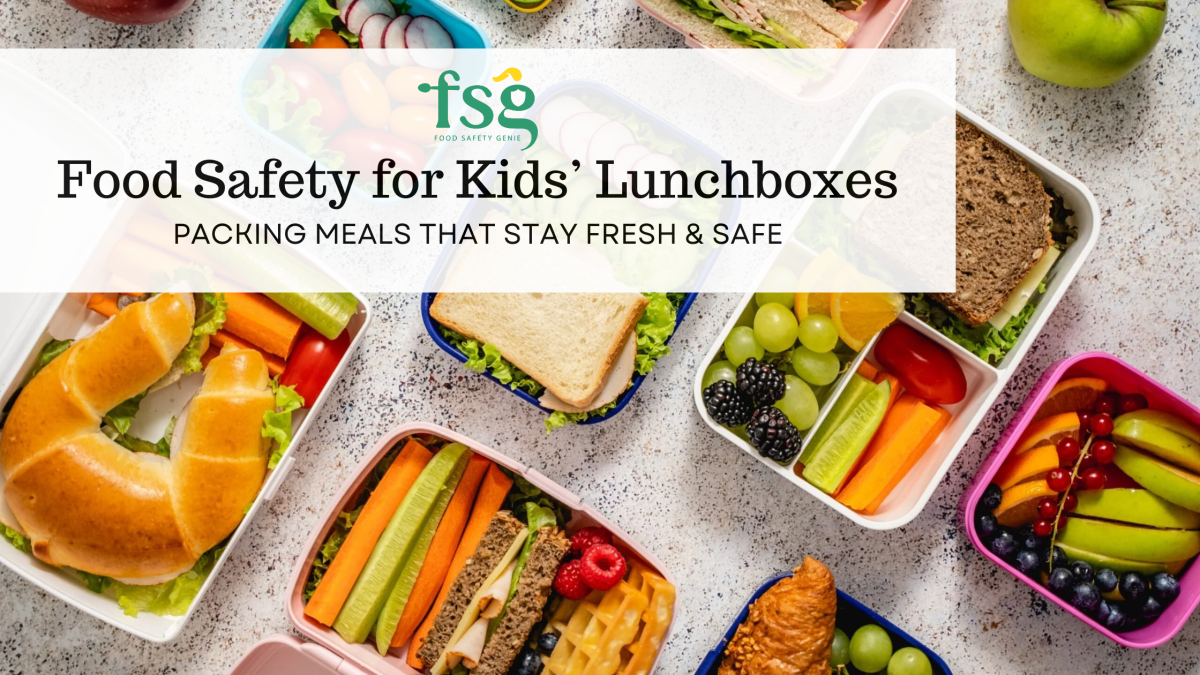
Packing a school lunch may seem simple, but ensuring it stays safe and fresh until lunchtime is a whole different story. Between early mornings, warm classrooms, and long gaps before eating, bacteria can easily multiply in improperly stored food. The good news? With a few smart choices and safe-handling practices, you can keep your child’s lunch nutritious, delicious, and safe.
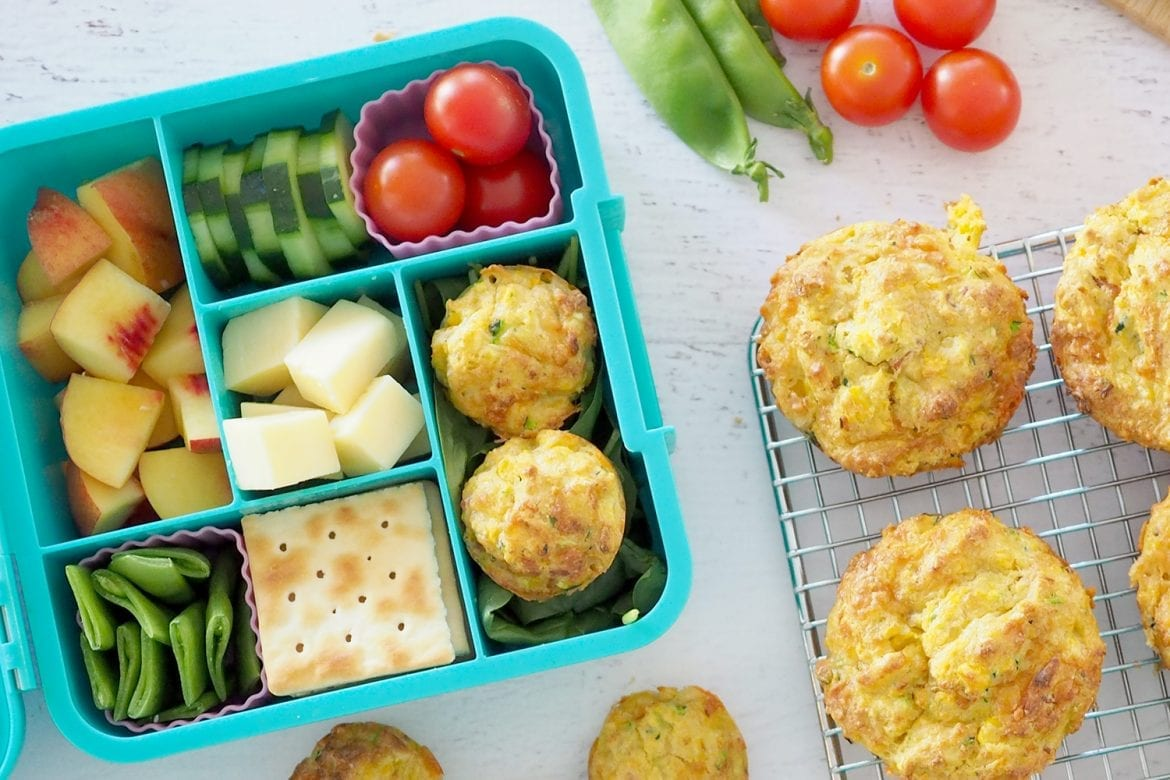
Image Reference : www.theorganisedhousewife.com
Why Food Safety Matters
Foodborne illnesses are caused by bacteria such as Salmonella, E. coli, and Listeria — all of which thrive in the “danger zone” (40°F–140°F / 4°C–60°C). In just a few hours, these microbes can make food unsafe to eat. Since kids are more vulnerable to foodborne illness due to developing immune systems, it’s especially important to follow strict food safety habits when preparing their lunches.
Step 1: Start with a Clean Foundation
Hygiene is your first line of defense.
Before packing lunch:
- Wash your hands thoroughly with warm water and soap for at least 20 seconds.
- Clean lunchboxes, containers, and utensils every day with hot, soapy water.
- Sanitize cutting boards and countertops, especially after handling raw meat, poultry, or eggs.
Tip: Use separate cutting boards for raw meats and fresh produce to avoid cross-contamination.
Step 2: Choose the Right Containers
A good lunchbox setup can make all the difference.
Look for:
- Insulated lunch bags or boxes – These help maintain cool temperatures longer.
- Reusable ice packs or frozen gel packs – Essential for keeping perishable items cold.
- Thermos containers – Ideal for hot soups, pasta, or leftovers. Preheat with boiling water for a few minutes before filling.
- BPA-free, leakproof containers – Keeps food separate and prevents spills.
Pro Tip: Label containers with your child’s name and clean them immediately after school to avoid odor and bacteria buildup.
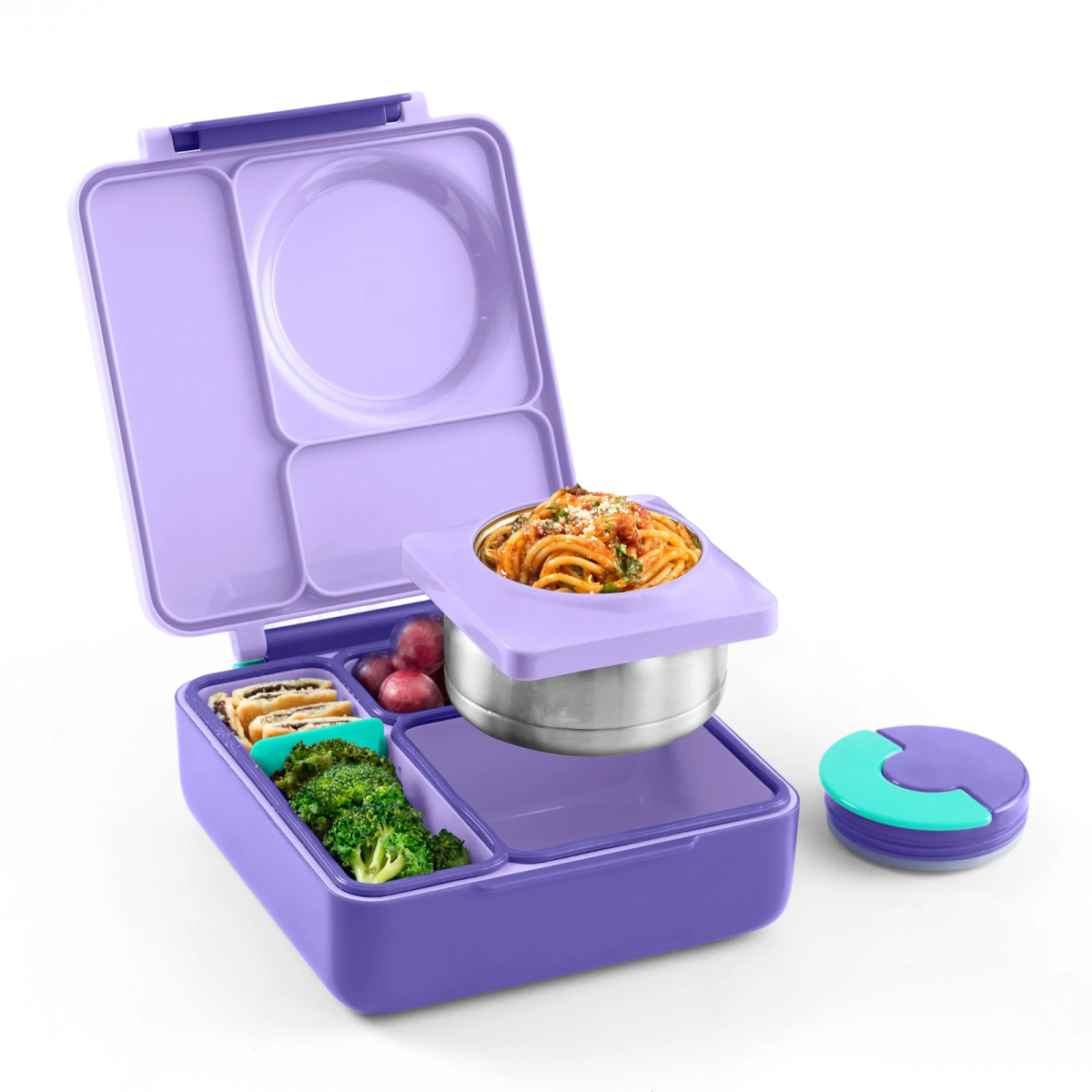
Image Reference : www.walmart.com
Step 3: Pack Smart — Hot Stays Hot, Cold Stays Cold
Temperature control is key to lunchbox safety.
For cold foods:
- Pack items like yogurt, cheese sticks, sandwiches with meat, or salads next to ice packs.
- Freeze juice boxes or water bottles overnight — they’ll act as extra cold packs and thaw by lunchtime.
- Store perishable items (meats, dairy, eggs) below 40°F (4°C).
For hot foods:
- Heat food until steaming hot (165°F / 74°C) before placing in an insulated thermos.
- Do not open the thermos until mealtime — every opening releases heat.
Step 4: Pick Foods That Travel Well
Not all foods handle hours without refrigeration equally well. Choose items that resist spoilage.
Kid-friendly, safe options include:
- Fruits and veggies: Apples, grapes, carrot sticks, cherry tomatoes, celery, cucumber slices.
- Whole-grain items: Crackers, wraps, or muffins made with whole wheat.
- Protein choices: Hard-boiled eggs (well-chilled), nut butters, hummus, or shelf-stable tuna pouches.
- Snacks: Trail mix, popcorn, or baked chips (instead of greasy ones).
Avoid: Mayonnaise-based salads, dairy-heavy dips, or meats left unrefrigerated for more than 2 hours (1 hour if the temperature is above 90°F / 32°C).
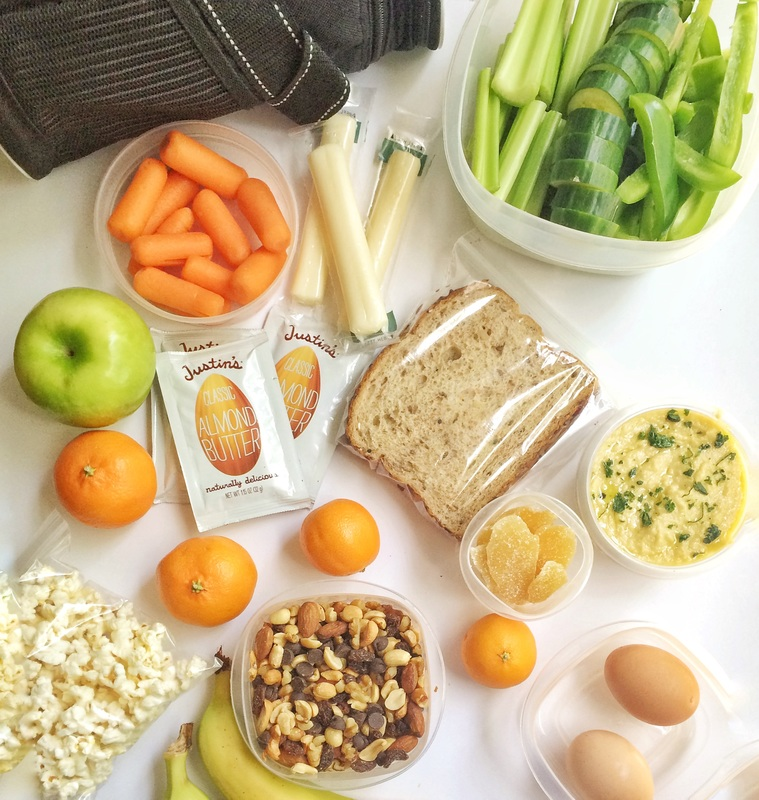
Image Reference: www.themealplanningmethod.com
Step 5: Timing & Storage at School
Once lunch leaves your house, it’s important to help your child manage it safely.
Teach your child to:
- Keep the lunchbox closed until mealtime.
- Avoid leaving it in direct sunlight, near heaters, or in the car.
- Discard any uneaten perishable food after lunch — don’t bring it home.
If the school has a refrigerator or lunch storage area, encourage your child to use it.
Step 6: End-of-Day Cleanup
After school, unpack and clean everything promptly.
- Throw away leftover perishable food.
- Wash containers, lids, and lunch bags with hot, soapy water.
- Allow the lunchbox to air dry completely to prevent mold and odor buildup.
Final Thoughts
A safe lunchbox is more than just about keeping food tasty — it’s about protecting your child’s health. By following simple hygiene, packing, and temperature control practices, you can confidently send your child to school with meals that are both nutritious and safe to eat.
After all, a happy, healthy lunch leads to a happy, healthy learner!