
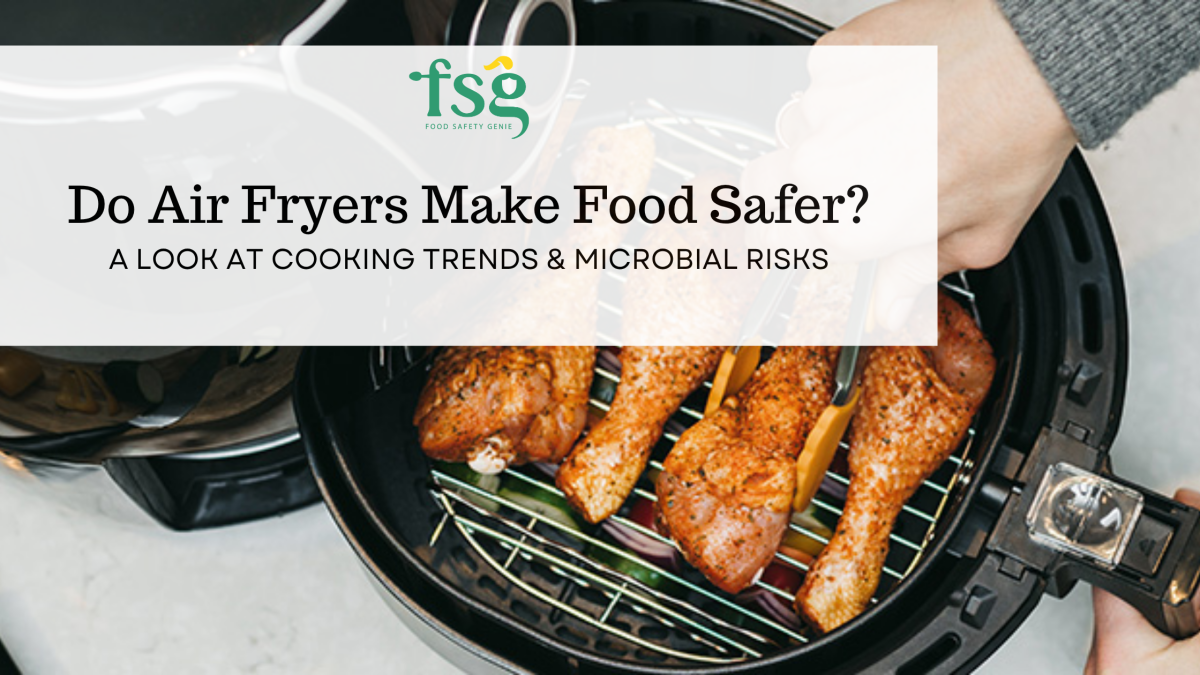
In recent years, air fryers have surged in popularity, praised for their ability to produce crispy, flavorful meals with minimal oil. From convenience to health benefits, air fryers have found a permanent place in many kitchens.
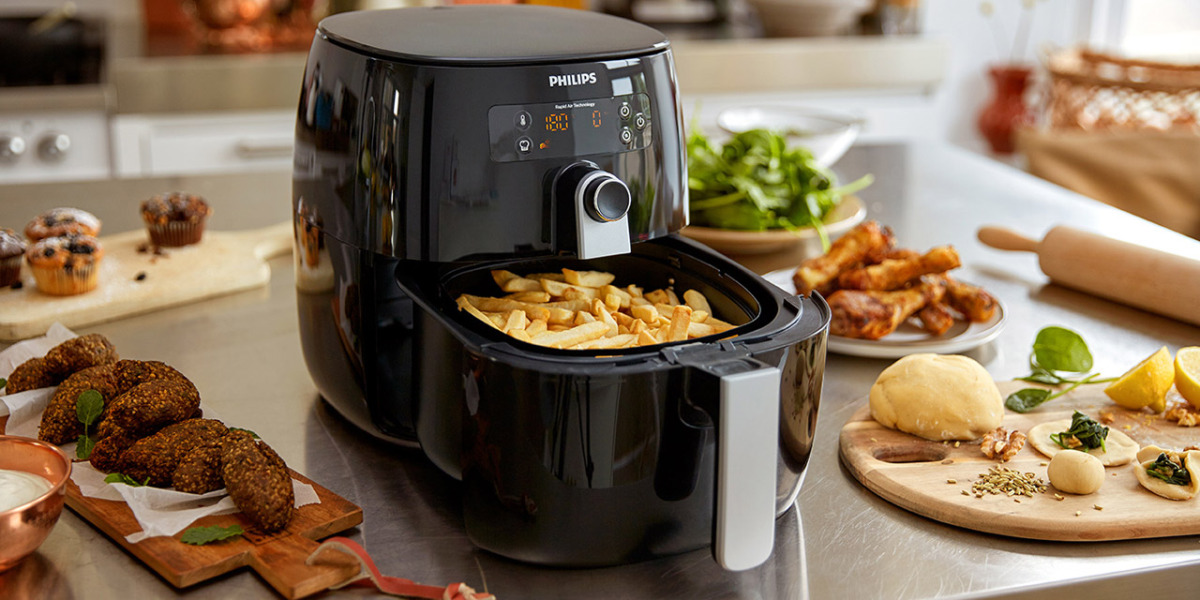
Image reference : www.hungerforever.net
Understanding Food Safety: The Microbial Angle
Foodborne illnesses are primarily caused by harmful bacteria such as Salmonella, E. coli, Listeria, and Campylobacter. These pathogens can thrive in undercooked meat, eggs, dairy, and produce. The key to eliminating them? Cooking food to the correct internal temperature.
The USDA provides guidelines on safe internal temperatures, such as:
- 165°F (74°C) for poultry
- 160°F (71°C) for ground meats
- 145°F (63°C) for whole cuts of beef, pork, lamb, and fish (with a rest time)
Cooking methods that uniformly heat food to these temperatures are crucial in minimizing microbial risks.
How Do Air Fryers Work?
Air fryers cook food by circulating hot air—often between 320°F and 400°F—around the food in a small chamber. This convection mechanism not only mimics deep frying but also cooks food relatively quickly and evenly. Most modern air fryers are equipped with precise temperature settings and timers, making it easier to reach the safe internal temperatures required to kill harmful bacteria.
Are Air Fryers Safer Than Traditional Cooking?
1. Uniform Heating and Microbial Kill Potential
Air fryers are capable of safely cooking a variety of foods as long as proper temperature guidelines are followed. Their rapid convection heat can quickly reach bacteria-killing temperatures, especially for thin cuts of meat or small batches. However, bulkier or breaded items may require flipping or checking with a food thermometer to ensure even doneness.
2. Reduced Risk of Oil Cross-Contamination
Unlike deep fryers, air fryers use little to no oil. This reduces the chance of contamination from reused oil—a known risk factor for microbial buildup and chemical degradation.
3. Lower Risk of Undercooking
Thanks to pre-programmed settings and alerts, air fryers often make it easier for non-professional cooks to reach consistent results. However, relying solely on presets without checking internal temperatures can still lead to undercooked food—particularly with frozen or stuffed items.
4. Minimal Surface Contact
Since food sits in a basket with minimal contact to surfaces, there’s less chance for contamination compared to stovetops or grills. Still, poor hygiene (like unwashed hands or utensils) can reintroduce microbial risks.
Limitations & Risks of Air Fryers
While air fryers are generally safe, they are not foolproof. Common risks include:
- Uneven cooking in overcrowded baskets.
- False sense of security due to crispy exteriors that may hide undercooked interiors.
- Neglected cleaning, which can allow bacteria or mold to grow in hidden crevices or the drip tray.
Best Practices for Safe Cooking with Air Fryers
To maximize food safety when using an air fryer:
- Preheat the air fryer to ensure even heat distribution.
- Avoid overcrowding the basket to allow proper air circulation.
- Use a food thermometer to confirm that internal temperatures meet safety standards.
- Flip or shake food halfway through cooking for even browning and heating.
- Clean the basket, tray, and interior after every use to prevent bacterial buildup.

Image reference : www.amazon.in
Conclusion
Air fryers can be a safer cooking option—but only when used correctly. Their ability to rapidly heat food and reduce oil-based risks is a clear advantage. However, like any kitchen appliance, they require careful use, hygiene, and temperature monitoring to ensure food safety.
As consumers continue embracing air fryers for their convenience and health perks, it’s important to stay informed about how to minimize microbial risks and cook with confidence.