
In today’s globalized world, food travels long distances before reaching consumers. From farms to processing units, distribution centers, and retail stores, the journey of food involves multiple stakeholders. This complexity makes it difficult to ensure safety, quality, and transparency. Consumers are increasingly concerned about where their food comes from, how it is handled, and whether it is safe to consume.
Blockchain technology has been introduced as a solution to these challenges. It promises to create a transparent and traceable food system where every step in the supply chain is recorded and accessible. However, an important question remains. Can blockchain truly guarantee transparency in food safety, or does it only improve certain aspects while leaving others unresolved?
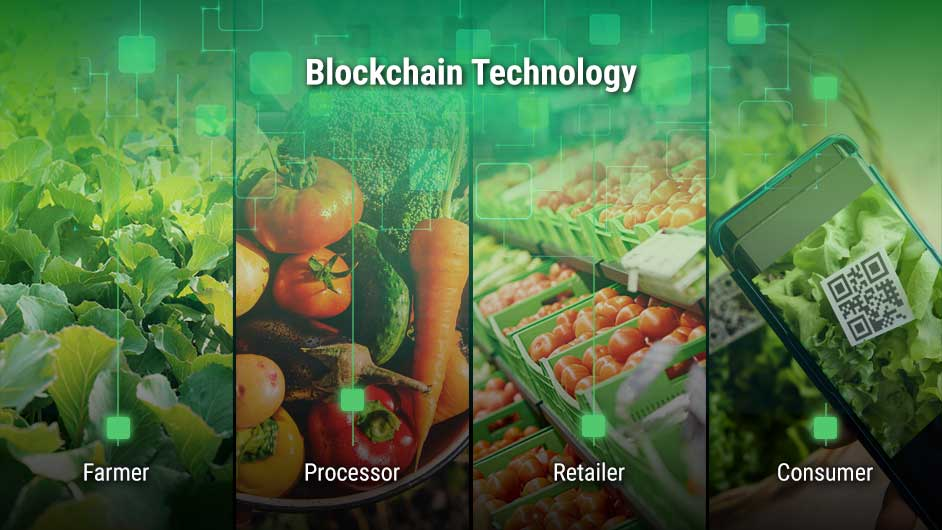
Image Reference: www.sourcetrace.com
Understanding the Need for Transparency in Food Safety
Food safety issues such as contamination, adulteration, and mislabeling have become major concerns worldwide. Traditional supply chain systems often rely on fragmented record keeping, where each participant maintains their own data. This leads to a lack of coordination and makes it difficult to trace the origin of problems.
When foodborne illnesses occur, identifying the source can take a long time. This delay increases health risks and leads to large scale recalls that affect businesses and consumers alike. In addition, food fraud, such as false labeling of organic or premium products, reduces consumer trust.
Transparency is essential to address these issues. It allows all stakeholders to access reliable information about the movement and condition of food products. This is where blockchain technology is seen as a potential solution.
How Blockchain Improves Food Safety
Blockchain is a decentralized digital ledger that records transactions in a secure and unchangeable manner. Every time a product moves through the supply chain, relevant data is added to the blockchain. This creates a continuous and chronological record of the product’s journey.
One of the key benefits of blockchain is traceability. It enables stakeholders to track food products from their origin to the final consumer. If a problem arises, the source can be identified quickly, reducing the time required for investigation and recall.
Another important feature is data integrity. Once information is recorded on the blockchain, it cannot be altered without detection. This prevents manipulation and ensures that records remain trustworthy over time. As a result, businesses and consumers can have greater confidence in the information provided.
Blockchain also enhances visibility across the supply chain. All authorized participants can access the same data in real time, which improves coordination and decision making. This shared system reduces information gaps and increases accountability among stakeholders.
In addition, blockchain can be integrated with technologies such as sensors to monitor conditions like temperature and humidity during transportation. This is particularly useful for perishable goods, where maintaining proper conditions is essential for safety and quality.
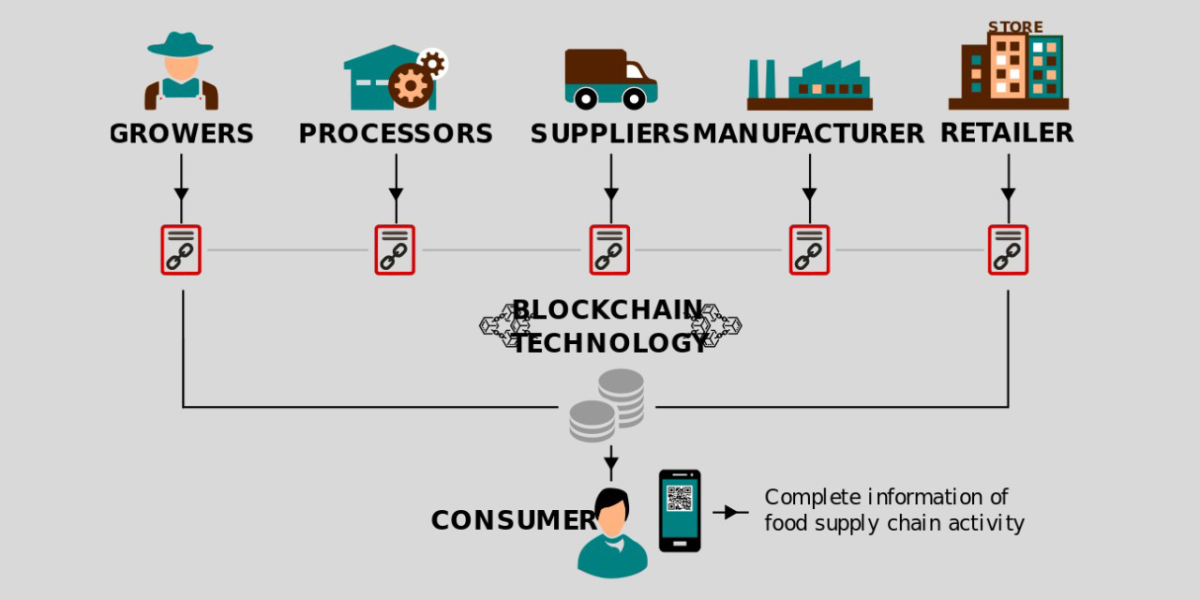
Image Reference : www.blogit.lab.fi.com
The Strength of Blockchain in Ensuring Transparency
Blockchain introduces a new form of trust that is based on technology rather than intermediaries. Since all participants share the same ledger, there is less dependence on individual organizations to maintain accurate records. The system itself ensures that data is consistent and verifiable.
This technological trust helps reduce fraud and improves compliance with food safety standards. It also allows consumers to access detailed information about the products they purchase, which strengthens confidence in the food system.
By providing a permanent and transparent record of transactions, blockchain creates a more accountable supply chain. Each participant is responsible for the data they contribute, making it harder to hide mistakes or unethical practices.
Limitations of Blockchain in Guaranteeing Transparency
Despite its advantages, blockchain does not fully guarantee transparency. One of the main limitations is related to data accuracy. While blockchain ensures that data cannot be changed after it is recorded, it does not verify whether the data is correct at the time of entry. If incorrect information is entered, it will remain in the system permanently.
This issue highlights the dependence on human input and external systems. Many parts of the supply chain still rely on manual data entry, which can lead to errors or intentional manipulation. Even automated systems such as sensors are not completely reliable, as they can malfunction or be tampered with.
Another challenge is the cost of implementation. Setting up a blockchain system requires significant investment in technology and training. Smaller businesses and farmers may find it difficult to adopt such systems, leading to unequal participation in the supply chain.
Lack of standardization is also a concern. Different organizations may use different blockchain platforms that are not compatible with each other. This can limit data sharing and reduce the overall effectiveness of the system.
Scalability is another issue, as large supply chains generate vast amounts of data. Managing this data efficiently can be challenging and may affect the performance of blockchain networks.
Regulatory challenges further complicate the situation. Food safety regulations vary across countries, and there is a lack of clear guidelines on how blockchain should be integrated into existing frameworks. This creates uncertainty for businesses looking to adopt the technology.
Can Blockchain Truly Guarantee Transparency
Blockchain significantly improves transparency in food safety by providing secure, traceable, and accessible records. It reduces the time required to identify problems, enhances accountability, and builds trust among stakeholders.
However, it does not guarantee complete transparency. The accuracy of the system depends on the quality of data being entered. Without proper verification mechanisms, incorrect information can still exist within the blockchain.
Therefore, blockchain should not be seen as a standalone solution. It is most effective when combined with other technologies such as automated data collection systems, regular audits, and strong regulatory frameworks. These elements work together to ensure that the data recorded is both accurate and reliable.
Conclusion
Blockchain has the potential to transform food safety by making supply chains more transparent and efficient. It addresses many of the limitations of traditional systems and provides a strong foundation for building trust among consumers and businesses.
At the same time, it is important to recognize its limitations. Blockchain ensures that data is secure and unchangeable, but it does not guarantee that the data is correct. True transparency requires a combination of technology, human responsibility, and effective governance.
In conclusion, blockchain brings the food industry closer to achieving transparency, but it cannot fully guarantee it on its own. It is a powerful tool, but its success depends on how it is implemented and supported within the broader food safety ecosystem.