
Introduction
The global food system is undergoing a transformation as biotechnology introduces innovative alternatives to conventional animal agriculture. One such innovation is lab-grown meat, also known as cultured meat, cultivated meat, or cell-based meat. Instead of raising and slaughtering animals, scientists grow meat from animal cells in controlled laboratory environments.
This technology is widely viewed as a potential solution to several pressing global challenges including food security, environmental sustainability, animal welfare, and zoonotic diseases. However, despite its promising benefits, lab-grown meat raises significant food safety concerns, regulatory challenges, and consumer acceptance issues.
In countries like India, where dietary habits are deeply influenced by culture and religion, the regulatory framework and safety assessment of lab-grown meat are still evolving.
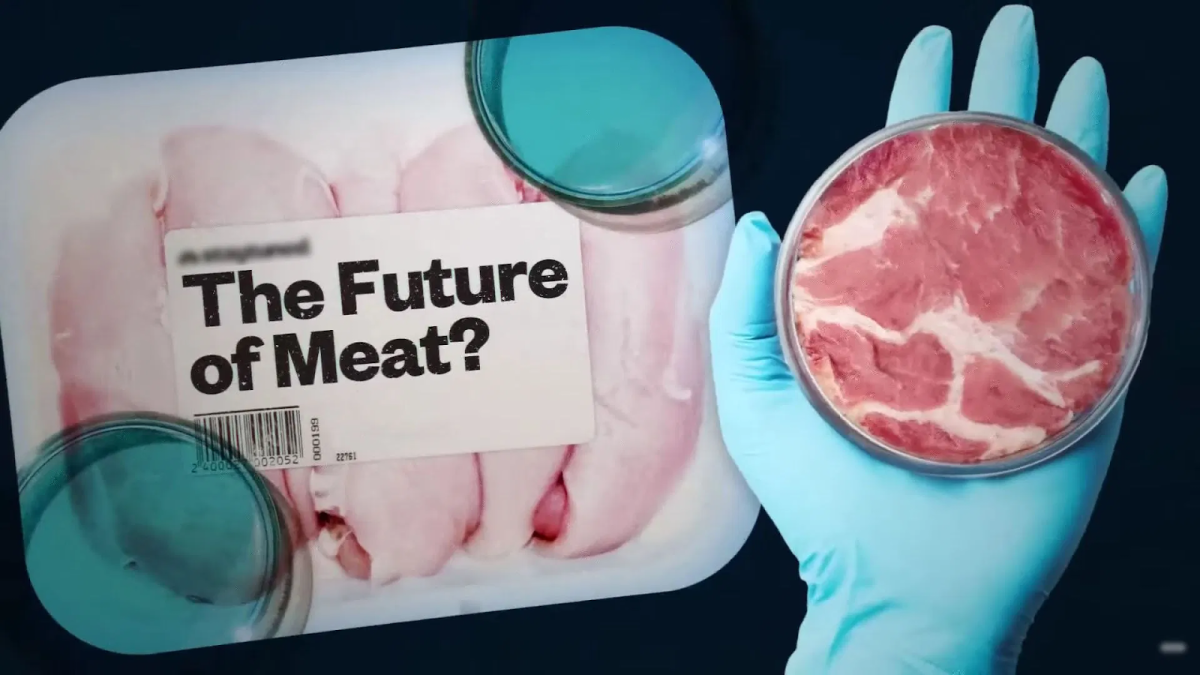
Image Reference: www.storage.googleapis.com
What is Lab-Grown Meat?
Lab-grown meat is produced through a process called cellular agriculture, where animal stem cells are cultured in a nutrient-rich medium inside bioreactors. These cells multiply and differentiate into muscle tissue, eventually forming meat products similar to conventional meat.
The general process includes:
- Cell extraction from a living animal through biopsy.
- Cell cultivation in a growth medium containing nutrients, amino acids, and growth factors.
- Cell proliferation and differentiation into muscle and fat tissues.
- Formation of edible meat structures using scaffolds or tissue engineering.
Unlike traditional livestock farming, this method eliminates the need for animal slaughter and potentially reduces environmental impacts such as greenhouse gas emissions and land use.
Food Safety Challenges of Lab-Grown Meat
Although lab-grown meat is produced in controlled environments, it introduces new food safety considerations that regulators must address.
1. Microbial Contamination
Cultivated meat production relies on cell cultures and nutrient-rich growth media, which are susceptible to microbial contamination such as bacteria, fungi, or viruses.
Potential risks include:
- Cross-contamination during cell culture
- Contamination from bioreactors or equipment
- Growth of harmful microorganisms in nutrient media
Strict sterility and Good Manufacturing Practices (GMP) are therefore essential.
2. Safety of Growth Media Components
Cells require growth factors, hormones, amino acids, and vitamins to proliferate. Some traditional processes use fetal bovine serum (FBS) derived from animals, though newer methods are shifting toward synthetic alternatives.
Safety concerns include:
- Residues of growth hormones
- Allergens or toxins
- Unknown metabolic byproducts
Regulators must evaluate whether these ingredients pose long-term health risks.
3. Genetic Stability of Cultured Cells
Cells grown repeatedly in laboratories may undergo genetic mutations or instability, potentially affecting nutritional composition or safety.
Possible concerns include:
- Uncontrolled cell growth
- Changes in protein expression
- Altered nutritional profile
Long-term toxicological and genomic studies may be required before approval.
4. Nutritional Composition
Lab-grown meat may not perfectly replicate traditional meat’s nutritional profile.
Concerns include:
- Differences in fat composition
- Lower levels of micronutrients such as iron or vitamin B12
- Altered amino acid balance
Regulatory authorities must ensure the final product meets established nutritional standards.
5. Chemical Residues and Additives
Bioreactors may use various chemicals, antibiotics, or stabilizers during production.
Potential risks:
- Chemical residues
- Unapproved additives
- Unknown metabolites produced during cell culture
Therefore, strict monitoring and residue limits will be necessary.
Global Regulatory Landscape
Different countries are developing regulatory frameworks to ensure the safety of cultured meat.
Examples include:
- Singapore – first country to approve lab-grown chicken in 2020.
- United States – joint regulatory oversight by FDA and USDA.
- Israel and the United Kingdom – recently approved certain cultivated meat products.
These frameworks typically involve:
- Pre-market safety evaluation
- Manufacturing facility inspections
- Labelling requirements
- Post-market monitoring
Lab-Grown Meat Regulations in India
In India, the primary food safety regulator is the
Food Safety and Standards Authority of India (FSSAI).
Currently, India does not yet have a dedicated regulatory framework specifically for lab-grown meat.
However, cultivated meat falls under the “Novel Food” or “Non-Specified Food” category under the Food Safety and Standards regulations.
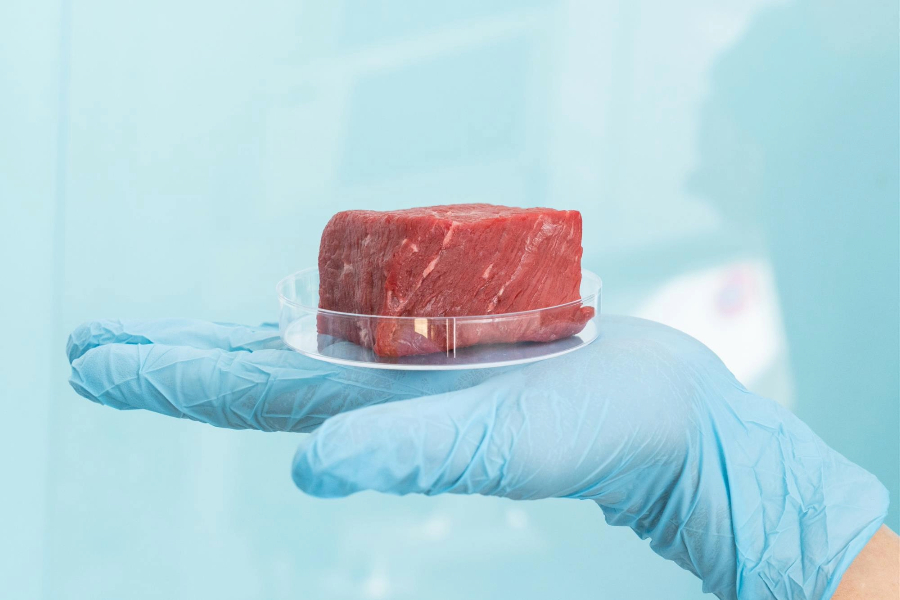
Image Reference: www.storage.googleapis.com
Classification as Novel Food
According to Indian food laws, a Novel Food is defined as a product that:
- Has no history of human consumption, or
- It is produced using new technologies or innovative processes that significantly alter the composition or structure of food.
Lab-grown meat fits this definition because it is produced through cell culture biotechnology.
Relevant FSSAI Regulations
Two key regulatory frameworks may apply:
1. Food Safety and Standards (Health Supplements, Nutraceuticals, Functional Foods and Novel Foods) Regulations, 2016. These regulations define novel foods and require scientific safety evaluation before market approval.
2. Food Safety and Standards (Approval for Non-Specified Food and Food Ingredients) Regulations, 2017
Under these rules:
- Manufacturers must obtain pre-market approval from FSSAI.
- They must submit a detailed safety dossier including toxicological, nutritional, and microbiological data.
- Approval is mandatory before manufacturing, importing, or selling the product commercially.
Currently, no cultivated meat product has been approved in India, and the technology remains primarily in the research and development stage.
Government and Regulatory Developments
India has begun exploring regulatory frameworks for emerging food technologies.
Key developments include:
- The government has emphasized the need for rigorous safety standards for novel foods such as lab-grown meat.
- FSSAI has created expert working groups to study cultured meat technologies and potential regulatory pathways.
- Policymakers are evaluating global regulatory models before introducing national standards.
Ethical and Cultural Considerations in India
Beyond safety regulations, lab-grown meat faces additional challenges in India:
Religious and Cultural Sensitivities
India has diverse dietary traditions:
- Many communities follow vegetarian diets.
- Certain meats are restricted due to religious beliefs.
Thus, regulatory policies must also address ethical labeling and consumer transparency.
Consumer Acceptance
Public perception remains uncertain due to:
- Skepticism toward “synthetic foods”
- Concerns about long-term health effects
- Cultural attachment to traditional foods
Effective communication and transparent labeling will be essential.
Future Regulatory Needs
To safely introduce lab-grown meat into the Indian market, regulators may need to establish:
1. Dedicated Cultivated Meat Standards
Specific definitions, safety testing protocols, and manufacturing guidelines.
2. Clear Labeling Rules
Products must clearly state whether they are:
- Cultured meat
- Cell-based meat
- Hybrid meat products
3. Facility and Process Regulations
Standards for:
- Bioreactor hygiene
- Cell culture techniques
- Growth medium safety
4. Post-Market Surveillance
Monitoring long-term health effects and adverse reactions.
Future Outlook
Lab-grown meat could transform food production by:
- Reducing environmental impact
- Improving food security
- Eliminating animal slaughter
- Reducing zoonotic disease risks
However, its success depends heavily on robust regulatory frameworks, scientific validation, and consumer trust. India’s regulatory bodies are currently studying the technology and may soon introduce formal guidelines to ensure safe commercialization.
Conclusion
Lab-grown meat represents a revolutionary advancement in food biotechnology. While it offers potential solutions to environmental and ethical concerns associated with conventional meat production, it also raises complex food safety and regulatory challenges.
In India, the Food Safety and Standards Authority of India is currently evaluating how cultivated meat should be regulated under existing novel food regulations. Before commercialization becomes possible, extensive scientific assessments, safety evaluations, and regulatory frameworks must be developed.
As global demand for sustainable protein grows, lab-grown meat could play a critical role in shaping the future of food systems—provided safety, transparency, and regulatory oversight are effectively implemented.