
In today’s fast-paced world, packaging is not just about aesthetics—it’s a crucial barrier between the product and potential contaminants. Among the many innovations in food packaging, Tetra Pak has carved out a reputation for efficiency, convenience, and safety. But how safe is it? Let’s dive into the composition, safety features, regulations, and environmental considerations surrounding Tetra Pak.
Image reference: www.microsoftnews.com
What Is Tetra Pak?
Tetra Pak is a globally recognized packaging solution, primarily used for liquid and perishable food products like milk, juice, soup, and sauces. Named after its original tetrahedral shape, Tetra Pak now offers several variants—Tetra Brik, Tetra Prisma, Tetra Fino, and more—designed for both shelf-stable and chilled products.
These cartons are designed to protect contents from light, air, microorganisms, and physical damage, extending shelf life and maintaining nutritional quality.
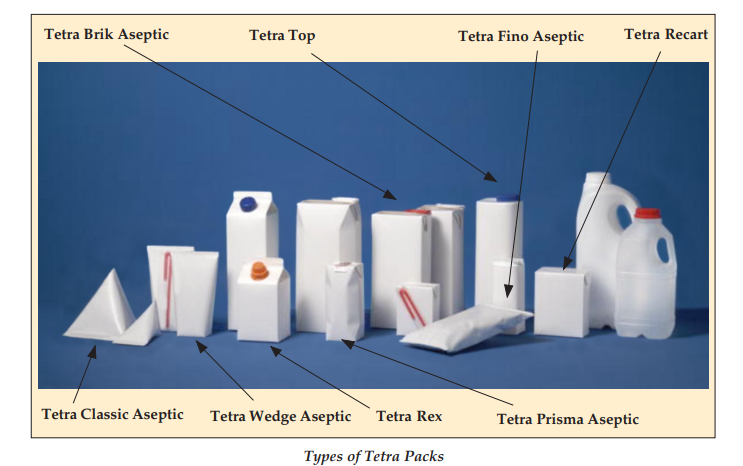
Image reference: www.icpefoodnpackaging.in
Composition: What’s Inside the Layers?
Tetra Pak cartons are made from multi-layered laminate materials, each serving a specific function:
- Paperboard (70–80%): Provides structural strength and shape.
- Polyethylene (15–25%): Acts as a moisture barrier and binds layers.
- Aluminum foil (5%): Serves as a light and oxygen barrier (used in aseptic packaging).
The combination of these layers helps keep food safe, fresh, and shelf-stable—often without the need for refrigeration or preservatives.
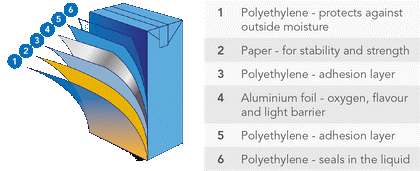
Image reference: www.pashudhanpraharee.com
Aseptic Packaging: A Game-Changer in Food Safety
One of Tetra Pak’s major innovations is aseptic packaging. This process involves sterilizing both the food product and the packaging material separately and filling them in a sterile environment.
Benefits:
- Prevents microbial contamination.
- Preserves nutrients without heat damage.
- Ensures shelf stability for 6–12 months without refrigeration.
Aseptic technology has revolutionized the way food is stored and transported, particularly in regions with limited cold-chain infrastructure.
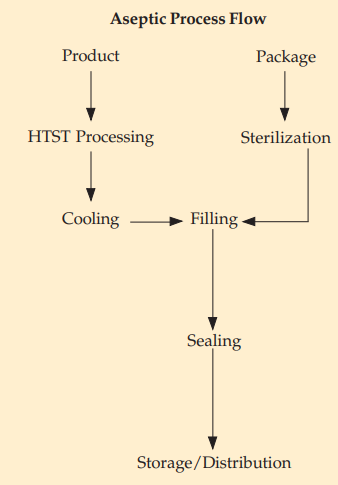
Image reference: www.icpefoodnpackaging.in
Safety Standards and Compliance
Tetra Pak operates under strict international food safety standards:
- ISO 22000 / FSSC 22000: Food safety management systems.
- FDA, EU, and FSSAI approvals: Tetra Pak materials comply with global food-grade standards.
- BPA-Free: Tetra Pak cartons are free from Bisphenol A, a chemical often flagged in plastics.
- Migration Testing: Regular testing ensures that no harmful substances leach into the food.
Tetra Pak’s manufacturing processes are regularly audited to ensure traceability, hygiene, and compliance with local and global regulations.
Tamper-Evidence and Consumer Safety
Tetra Pak designs incorporate tamper-evident features such as pull tabs, perforated seals, and breakable caps. These features reassure consumers that the product has not been opened or compromised before purchase.
Additionally, most Tetra Pak cartons are hermetically sealed, minimizing the risk of post-processing contamination and ensuring food safety during storage and transit.
Environmental Considerations: Is It Really Sustainable?
Safety also includes environmental safety. Tetra Pak promotes sustainability by:
- Using FSC®-certified paperboard from responsibly managed forests.
- Encouraging recyclability—though actual recycling depends on regional infrastructure.
- Innovating with plant-based caps and renewable materials.
However, one concern is the difficulty of separating multi-layered components during recycling. While Tetra Pak is technically recyclable, it requires specialized facilities, which may not be available everywhere.
Common Concerns and Clarifications
1. Aluminum Safety
The aluminum layer in aseptic cartons is extremely thin and sandwiched between protective plastic layers. It doesn’t come into direct contact with the food and poses no health risk.
2. Plastic Leaching
Tetra Pak uses food-grade polymers that undergo stringent safety testing. There is no evidence to suggest any harmful leaching occurs under recommended storage conditions.
3. Shelf Life & Nutrient Retention
Due to the aseptic process and multilayer barrier, Tetra Pak packaging retains more nutrients and ensures longer shelf life without preservatives.
How Safe Is Tetra Pak?
Tetra Pak is one of the safest and most advanced food packaging systems available today. It:
- Offers multi-barrier protection
- Prevents microbial contamination
- Extends shelf life naturally
- Meets global food safety standards
- Incorporates tamper-evidence and traceability
- Aligns with sustainability efforts (despite recycling challenges)
Consumers can confidently rely on Tetra Pak for both safety and quality, provided the products are stored as instructed and not consumed past their expiry.
Conclusion
In an age where food safety and sustainability are paramount, Tetra Pak stands out as a robust and reliable packaging solution. Whether you’re sipping juice on the go or storing milk without refrigeration, you’re likely benefiting from decades of innovation aimed at keeping your food safe from farm to fork.