
A fire license, also known as a Fire No Objection Certificate (NOC), is a mandatory document issued by the fire department in India, certifying that a building complies with fire safety regulations and is equipped with necessary fire prevention and protection measures. This license ensures the safety of occupants and property and is often required for commercial, industrial, and residential buildings, especially high-rises, schools, hospitals, and other establishments with significant footfall.
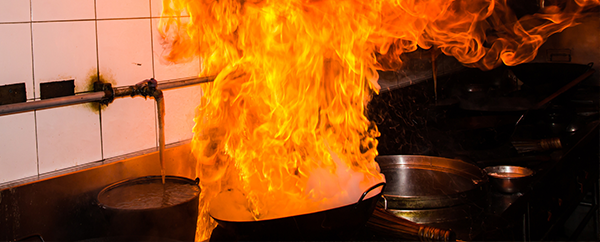
Image Reference : www.arrowheadgrp.com
Why is a Fire License Important?
- Legal Compliance: It is mandatory under the National Building Code and various state fire safety acts.
- Safety Assurance: Ensures adherence to fire safety norms to prevent accidents.
- Insurance: Essential for processing insurance claims related to fire incidents.
- Avoidance of Penalties: Non-compliance can lead to hefty fines or legal consequences.
Types of Fire Licenses in India
Fire licenses in India are issued by local fire authorities and are tailored to meet the specific fire safety requirements of different types of establishments. The following are the common categories:
1. Residential Fire License
- Applicable to residential buildings, especially multi-story apartment complexes.
- Requirements include:
- Smoke detectors and alarms.
- Fire exits and staircases.
- Firefighting equipment like extinguishers and hoses.
2. Commercial Fire License
- Required for commercial establishments such as shops, malls, restaurants, and office buildings.
- Key fire safety measures include:
- Safe evacuation routes and emergency exits.
- Fire alarms and sprinkler systems.
- Accessible firefighting equipment.
3. Industrial Fire License
- Mandatory for industries and factories, especially those dealing with hazardous materials.
- Fire safety features include:
- Fireproof storage for flammable substances.
- Specialized firefighting systems like CO2 suppression.
- Emergency response plans for fire accidents.
4. High-Rise Building Fire License
- Designed for buildings exceeding a specific height or number of floors.
- Requirements include:
- Automatic fire detection and alarm systems.
- Sprinkler systems throughout the building.
- Designated fire safety personnel and training programs.
5. Public Places Fire License
- Issued for public venues like theaters, auditoriums, hotels, and event spaces.
- Essential safety measures include:
- Clearly marked fire exits.
- Emergency lighting and signage.
- Readily available firefighting equipment.
Key Requirements for Acquiring a Fire License
To ensure fire safety and obtain a fire license, businesses must meet specific standards set by local fire authorities. While these requirements may vary based on the type and scale of the establishment, the following are generally applicable:
- Placement of Fire Extinguishers
- Fire extinguishers must be installed at easily accessible locations across the premises.
- The type of extinguisher provided should correspond to the potential fire risks, such as electrical fires, chemical fires, or general fires.
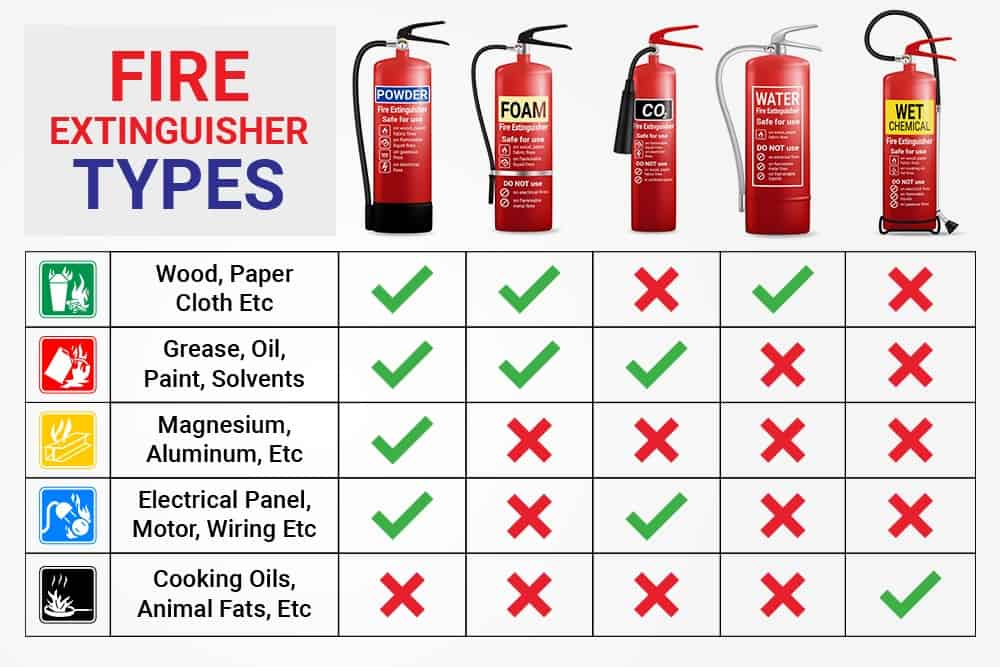
Image Reference : www.humanfocus.co.uk
- Installation of Fire Alarms and Smoke Detectors
- Fire alarm systems should be installed to alert occupants of a fire promptly.
- Smoke detectors must be placed in high-risk areas, including kitchens, electrical rooms, and storage spaces.
- Provision of Fire Exits and Emergency Evacuation Routes
- Clearly marked, unobstructed fire exits and emergency evacuation routes are mandatory.
- These should comply with safety standards and accommodate the building’s capacity.
- Implementation of Sprinkler Systems
- Automatic sprinkler systems are required in large buildings or high-risk zones to contain fires.
- These systems should cover all critical areas to minimize damage and prevent fire spread.
- Employee Fire Drill Training
- All staff should undergo fire safety training, including operating extinguishers and understanding evacuation protocols.
- Periodic fire drills ensure preparedness and familiarity with emergency procedures.
- Routine Inspection and Maintenance
- Regular inspections of all fire safety equipment are mandatory to ensure functionality.
- This includes extinguishers, alarms, sprinklers, and emergency lighting systems.
- Emergency Lighting and Signage
- Emergency lighting systems must be in place to guide occupants during power outages or smoke-filled environments.
- Clearly visible signage, including “Exit” signs and directional markers, is crucial for safe evacuation.
- Fire Hydrants and Hose Reels
- Larger buildings or industrial units may need on-site fire hydrants and hose reels for firefighting purposes.
- These systems should be easily accessible and maintained regularly.
- Structural Fireproofing
- Fire-resistant materials should be used for construction in high-risk zones.
- Walls, doors, and ceilings in critical areas, like server rooms or chemical storage units, should comply with fireproofing standards.
- Compliance with Fire Load Standards
- The total fire load, determined by combustible materials in the building, must not exceed permissible limits.
- Proper storage and disposal of flammable materials are essential to minimize risk.
- Access for Firefighting Vehicles
- Adequate access routes for fire engines and emergency vehicles must be ensured, particularly for larger premises or high-rise buildings.
Steps to Obtain a Fire License in India and Tamil Nadu
1. Identify Applicability
Determine whether your building requires a fire license based on its type, height, and usage. Typically, buildings like hospitals, schools, and large commercial complexes need this license.
2. Prepare Necessary Documentation
The documents required include:
- Building plan approved by the local authority.
- Completion certificate from the builder/architect.
- Firefighting system layout and compliance certificate.
- Site plan and structural drawings.
- Proof of occupancy or property ownership.
- Checklist of fire safety equipment installed (fire extinguishers, alarms, sprinklers, etc.).
- Photographs of the installed fire safety equipment.
3. Submit the Application
File an application with the respective fire department. In Tamil Nadu, this can be done online through the Tamil Nadu Fire and Rescue Services Department website or manually at the nearest fire station.
4. Inspection by Fire Officials
Once the application is submitted, fire department officials inspect the premises to verify compliance with fire safety norms.
5. Compliance Report
Based on the inspection, the officials may provide recommendations or request additional measures. You need to address these recommendations to proceed.
6. Issuance of the Fire License
Upon successful compliance, the fire department issues the Fire NOC.
Special Considerations for the Food Sector (Hotels, Restaurants, and Cafes)
For establishments in the food sector, such as hotels, restaurants, and cafes, obtaining a fire license involves additional considerations due to the nature of operations involving kitchens and open flames. Here’s how these businesses can obtain a Fire NOC:
1. Fire Safety in Kitchens
- Install kitchen-specific fire safety equipment such as fire extinguishers (Class K for grease fires), fire blankets, and smoke detectors.
- Ensure proper ventilation and exhaust systems to prevent heat buildup.
- Use flame-resistant materials for kitchen fittings where possible.
2. Staff Training
- Train kitchen and service staff in fire safety measures, including the use of fire extinguishers and evacuation procedures.
- Conduct regular fire drills.
3. Compliance with Gas Safety Norms
- If LPG or other flammable gases are used, ensure proper installation and maintenance of gas pipelines and storage systems.
- Install gas leak detectors in kitchens.
4. Documentation for Food Establishments
In addition to general requirements, food businesses must submit:
- Details of kitchen equipment and safety measures.
- Maintenance records for gas and exhaust systems.
- Staff training records related to fire safety.
5. Inspection Process
During the inspection, officials pay special attention to:
- The kitchen layout and fire safety measures.
- Emergency exits and evacuation plans.
- Functionality of installed safety equipment.
6. Implementation of Recommendations
Any recommendations specific to the food industry, such as adding additional extinguishers or modifying ventilation systems, must be addressed promptly to secure the license.
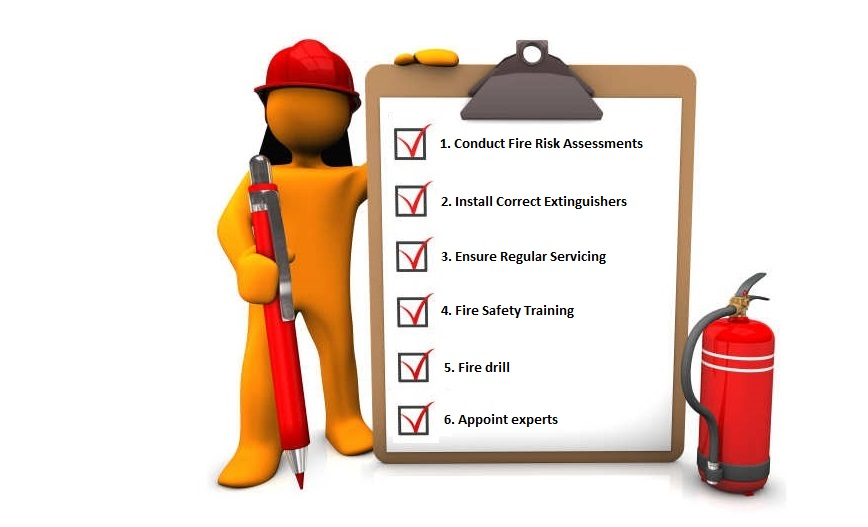
Image Reference : www.lawyersnjurists.com
Forms to Be Filled
In Tamil Nadu, the commonly required forms include:
- Form A: Application for Fire NOC.
- Form B: Self-declaration regarding compliance with fire safety measures.
You can download these forms from the Tamil Nadu Fire and Rescue Services Department website or collect them from the local fire office.
Documents Needed
- Building Plan: Approved by the municipal authority.
- Fire Safety Plan: Detailed layout of fire safety measures.
- Property Documents: Ownership or lease documents.
- Completion Certificate: From the builder/contractor.
- Photographic Evidence: Images of installed safety equipment.
- Application Form: Filled and signed.
- Identity Proof: Of the applicant.
Time Frame for License Issuance
The time required for issuing a Fire NOC varies but typically takes:
- Initial Application: 7-10 working days for inspection.
- Compliance Period: Depends on the time taken to address recommendations.
- Final Issuance: 15-30 working days after satisfactory inspection.
Renewal and Validity
A fire license is generally valid for one year. Renewal requires re-inspection to ensure ongoing compliance. The renewal process is similar to the initial application and must be initiated well before the expiry date.
Tips for a Smooth Process
- Ensure all fire safety equipment is installed and operational.
- Maintain proper documentation and keep copies of submitted forms.
- Address inspection recommendations promptly to avoid delays.
- Regularly test and maintain fire safety systems.
Conclusion
Obtaining a fire license is crucial for ensuring the safety of occupants and property. By adhering to the steps outlined above and maintaining compliance, you can secure a Fire NOC efficiently in India, including Tamil Nadu. For food sector businesses like hotels, restaurants, and cafes, special attention to kitchen safety and staff training is essential. Regular renewal and adherence to safety norms not only safeguard your property but also contribute to a safer community.