
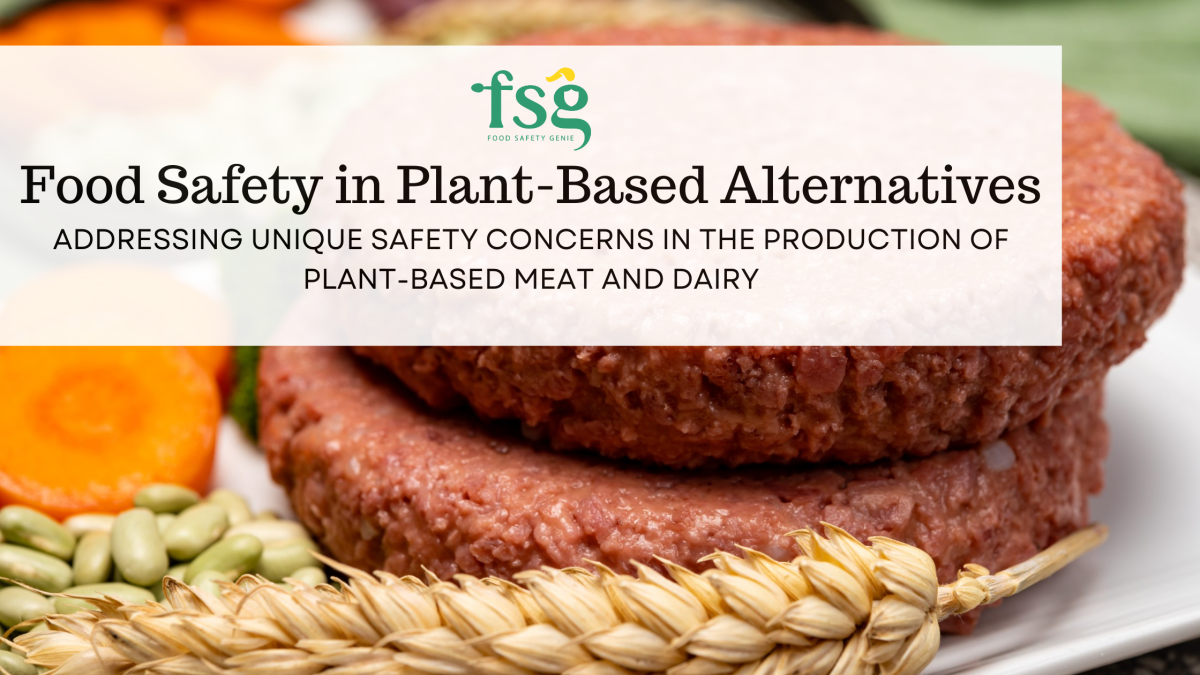
The demand for plant-based meat and dairy alternatives continues to grow, so does the need to address the unique food safety concerns associated with their production. These products, while innovative and environmentally friendly, present challenges distinct from traditional meat and dairy production.
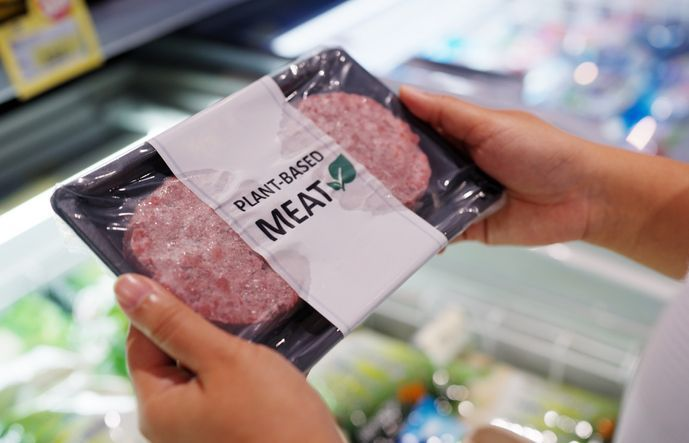
Image Reference : www.agfundernews.com
Ingredient Sourcing and Contamination Risks
Plant-based alternatives often rely on a combination of legumes, grains, nuts, and other plant-derived ingredients. Ensuring the safety and quality of these raw materials is crucial, as contamination with pesticides, mycotoxins, or harmful bacteria can compromise the end product. Establishing strong supplier relationships and implementing rigorous testing protocols are essential steps in mitigating these risks.
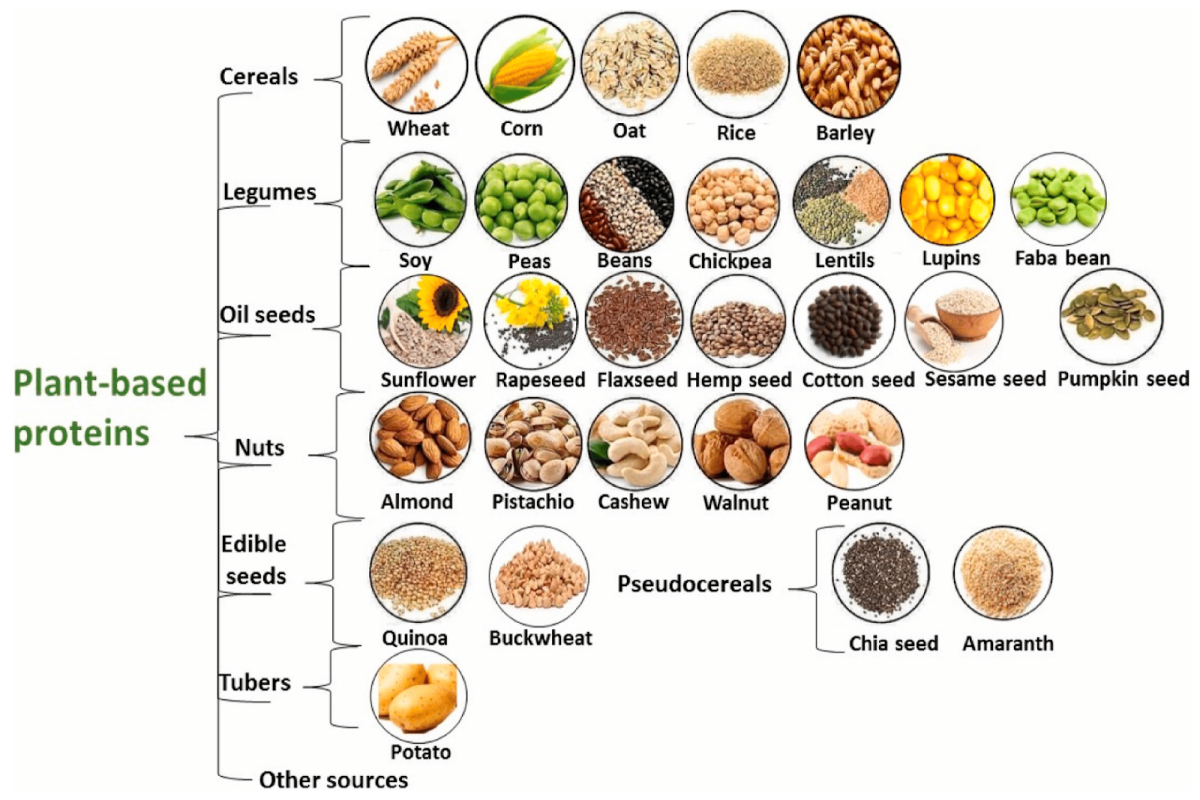
Image Reference : www.mdpi.com
Allergen Management
Plant-based products frequently incorporate common allergens such as soy, nuts, and wheat. Cross-contamination during production or inaccurate labeling can pose significant risks to consumers with allergies. Manufacturers must adhere to stringent allergen management protocols, including dedicated production lines, thorough cleaning processes, and transparent labeling practices.
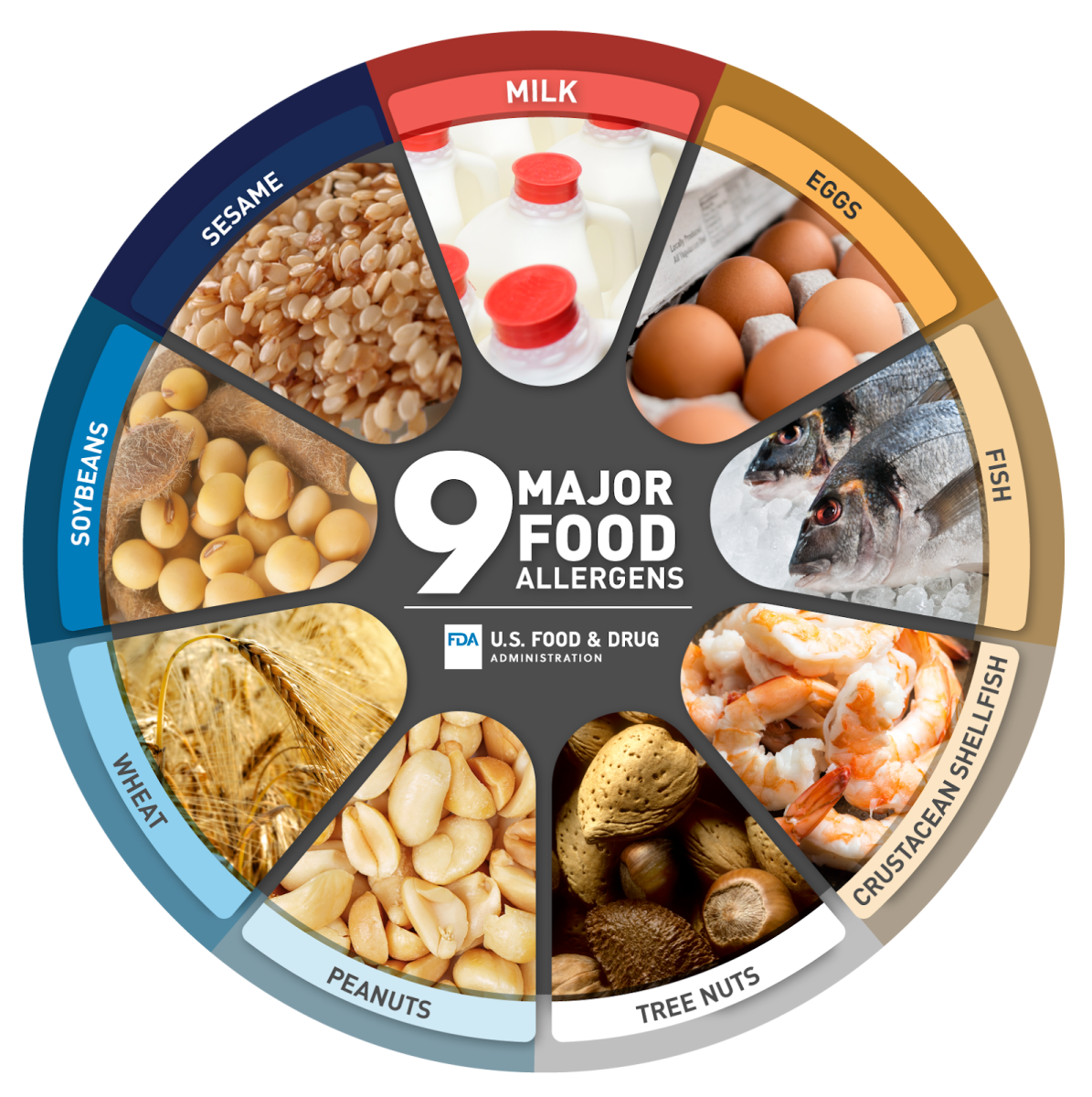
Image Reference : www.fda.gov
Microbial Contamination During Processing
Unlike traditional animal products, plant-based alternatives may require extensive processing to achieve desired textures and flavors. This increases the risk of microbial contamination if equipment is not cleaned properly or if ingredients are mishandled. Implementing Good Manufacturing Practices (GMP) and regular microbiological testing can help ensure the safety of these products.
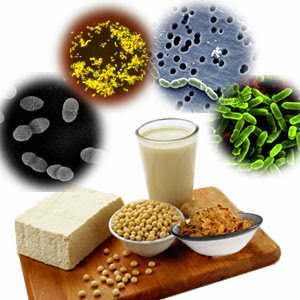
Image Reference : iso22000resourcecenter
Cold Chain Management
Plant-based meat and dairy alternatives often require refrigeration or freezing to maintain their quality and safety. Any breach in the cold chain during transportation or storage can lead to spoilage and microbial growth. Establishing robust temperature monitoring systems and training staff to handle these products correctly are key to avoiding such issues.
Use of Additives and Preservatives
To mimic the taste and texture of meat and dairy, plant-based alternatives often rely on various additives and preservatives. While these ingredients are generally recognized as safe, improper usage or contamination during manufacturing can lead to safety concerns. Regulatory compliance and accurate dosing are critical to maintaining product safety.

Image Reference : www.capecrystalbrands.com
Novel Production Techniques and Equipment
The production of plant-based alternatives often involves novel techniques such as extrusion or fermentation. These methods require specialized equipment that, if not properly maintained, can harbor contaminants. Routine maintenance, sanitation, and validation of new processes are necessary to uphold safety standards.
Packaging and Labeling Concerns
Safe packaging plays a pivotal role in extending the shelf life of plant-based products and protecting them from contamination. Additionally, clear labeling is essential to inform consumers about potential allergens, storage requirements, and expiration dates. Investing in high-quality packaging materials and ensuring regulatory compliance in labeling are non-negotiable aspects of food safety.
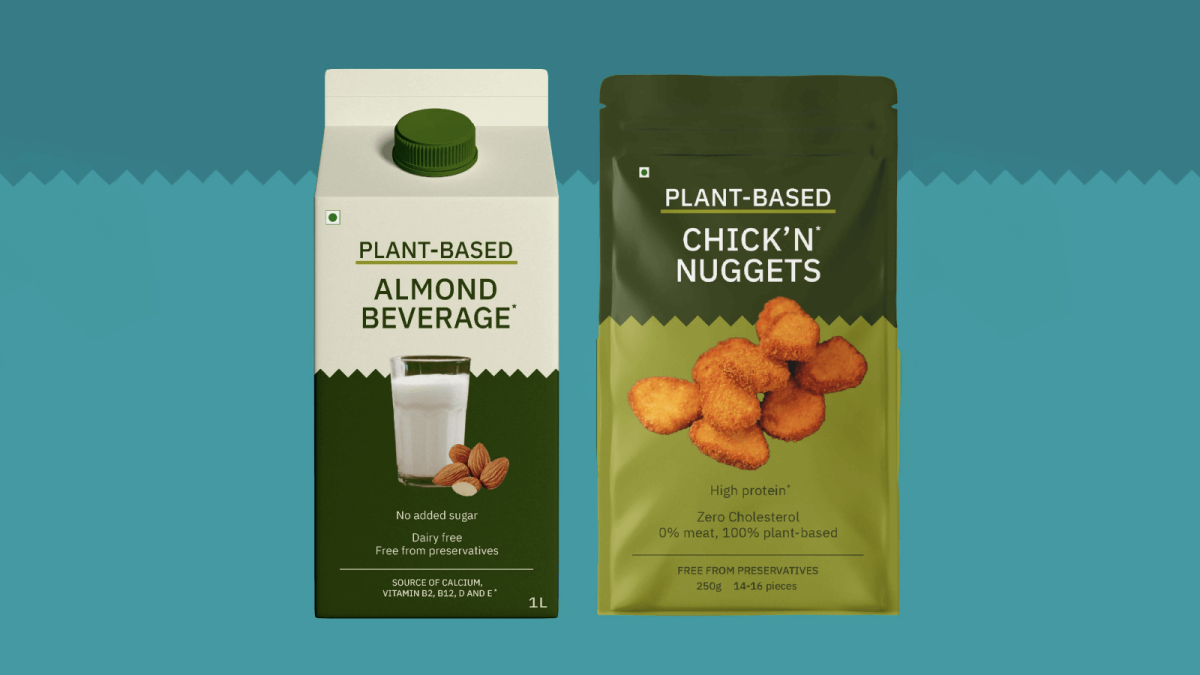
Image Reference : www.gfi-india.org
Consumer Education and Handling
Educating consumers on how to properly store, cook, and handle plant-based alternatives is often overlooked but vital. Providing clear instructions on packaging and through digital platforms can help reduce the risk of foodborne illnesses caused by improper handling.
Image Reference : www.foodprocessing.com
Sustainability and Safety Intersection
While sustainability is a cornerstone of the plant-based movement, it should not come at the expense of food safety. The use of sustainable materials, such as compostable packaging or water-efficient ingredients, must be evaluated to ensure they do not introduce new safety risks. A balanced approach that integrates safety with sustainability is key.
Continuous Research and Innovation
The field of plant-based alternatives is evolving rapidly, with new ingredients and methods emerging regularly. Continuous research into potential safety concerns and innovation in testing and production technologies are essential to keeping pace with these developments and ensuring consumer trust.
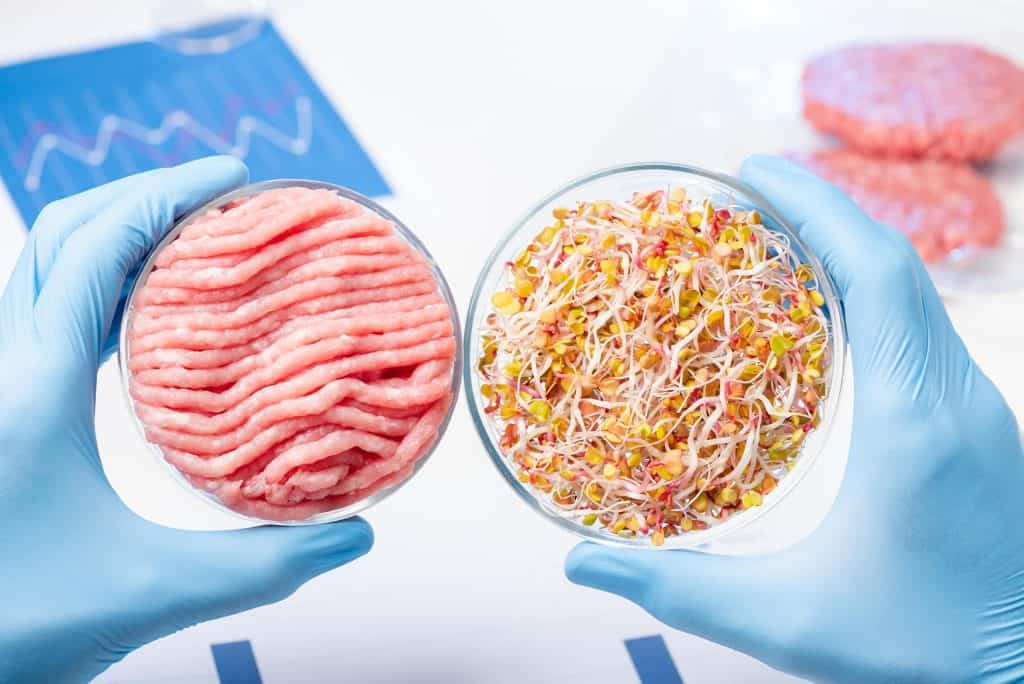
Image Reference : www.virasmart.co
Regulations Governing Vegan Foods Across the Globe
As the popularity of vegan foods rises, regulatory authorities worldwide have established standards to ensure their safety, quality, and transparency. In India, the Food Safety and Standards Authority of India (FSSAI) has introduced guidelines for vegan food labeling, advertising, and certification, ensuring that products marketed as vegan are free from animal-derived ingredients or processing aids. Globally, agencies such as the FDA in the United States, the European Food Safety Authority (EFSA), and Food Standards Australia New Zealand (FSANZ) also regulate plant-based foods. These regulations often focus on clear definitions, allergen labeling, ingredient transparency, and safe manufacturing practices. Certifications like the Vegan Society Trademark and USDA Organic further enhance consumer trust by validating vegan claims. Such frameworks play a critical role in building confidence in vegan products while fostering sustainable food systems.
FSSAI Regulations on Vegan Foods
The Food Safety and Standards Authority of India (FSSAI) has implemented specific regulations to ensure the authenticity, safety, and transparency of vegan foods in India. According to the FSSAI guidelines, vegan foods are defined as those free from animal-derived ingredients, including additives and processing aids. Manufacturers must adhere to strict labeling requirements, including a distinct vegan logo to help consumers easily identify such products. The regulations also mandate clear documentation to verify that no animal testing or contamination occurs during production or processing. Additionally, businesses are required to comply with proper storage, packaging, and transportation practices to avoid cross-contamination with non-vegan items. These measures not only safeguard consumer trust but also promote the growth of the vegan food market by setting clear, enforceable standards for manufacturers and sellers.
Image Reference : www.theindianexpress.com
Conclusion
Ensuring food safety in the production of plant-based meat and dairy alternatives is both a challenge and an opportunity for the industry. By addressing risks at every stage—from sourcing raw materials to educating consumers—manufacturers can build trust and deliver products that are not only sustainable but also safe and reliable. As the market continues to grow, a proactive and comprehensive approach to food safety will be essential to sustaining consumer confidence and fostering innovation in the plant-based sector.