
The growing global awareness of environmental issues has led to a significant shift in packaging practices, particularly in the food industry. One of the most impactful changes is the integration of recycled materials into food packaging. This movement supports sustainability and the circular economy but raises essential concerns around food safety, regulatory compliance, and consumer health.
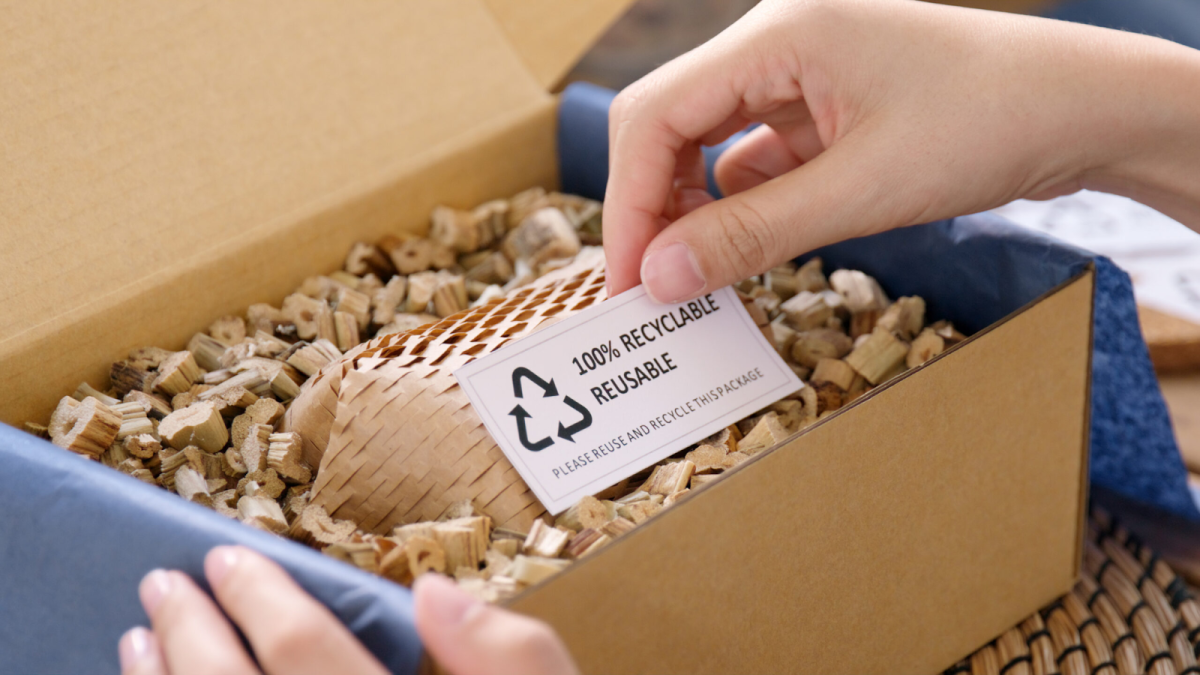
Image reference : www.meyers.com
Why Recycled Materials in Food Packaging?
The food industry is one of the largest users of packaging materials worldwide. Incorporating recycled materials helps:
- Reduce dependence on virgin plastics
- Lower carbon emissions
- Support global sustainability goals
- Minimize food packaging waste in landfills and oceans
However, using recycled materials in packaging that directly touches food requires special precautions due to the risk of contamination from previous use or improper recycling.
The Core Challenges of Using Recycled Materials for Food
Recycled materials are often sourced from a mixture of post-consumer and post-industrial waste. When it comes to food contact, this introduces four major safety risks:
1. Chemical Contamination
Recycled materials may have absorbed harmful chemicals from their previous use or during the recycling process. For example:
- Plastic containers that held non-food substances (cleaning agents, oils, etc.)
- Inks, adhesives, and dyes on paper packaging
These chemicals can migrate into food, especially in hot-fill applications, microwave usage, or long-term storage.
2. Microbial Contamination
Improper cleaning of recycled materials may allow microorganisms, bacteria, or mold to persist. These pose serious health risks, particularly in moist or perishable food packaging like meat trays, dairy containers, or ready-to-eat meals.
3. Material Degradation
Some materials degrade with each recycling cycle. For example, recycled plastics can lose strength or barrier properties, making them more permeable to gases or liquids and affecting food shelf life.
4. Lack of Traceability
Recyclers may not always be able to verify the original source of the material. Without a closed and controlled loop, the risk of contamination from unknown or non-food applications increases.
Regulatory Frameworks for Food-Safe Recycled Materials
To mitigate these risks, national and international bodies enforce strict regulations and testing protocols to ensure food contact safety.
- United States – FDA (Food and Drug Administration)
The FDA evaluates recycled plastics for food contact via the No Objection Letter (NOL) system.
- Manufacturers must submit scientific evidence proving the recycling process effectively removes contaminants.
- The FDA assesses whether the recycled plastic meets 21 CFR Part 174-178 requirements.
- Only approved recycling processes and specific end uses are permitted.
Example: Recycled PET used for beverage bottles must originate from food-grade containers and be processed through a super-clean process to ensure purity.
- European Union – EFSA (European Food Safety Authority)
EFSA regulations (EU Regulation 282/2008) are among the strictest:
- Only plastics from food-grade sources in a closed-loop recycling system can be used.
- Recyclers must obtain authorization from EFSA after undergoing a scientific risk assessment.
- Recycling processes must include challenge tests to demonstrate that decontamination is effective.
EFSA has also begun evaluating chemical recycling and novel materials, indicating a growing flexibility — provided safety is proven.
- Canada: Health Canada uses similar standards to the FDA for food-contact materials.
- Australia and New Zealand: FSANZ (Food Standards Australia New Zealand) supports recycled content under strict migration and performance standards.
- India and China: Regulations are evolving, with increased scrutiny on imported recycled packaging.
Food Packaging Materials Commonly Recycled
1. rPET (Recycled Polyethylene Terephthalate)
- Used for: Bottled water, juices, salad containers, bakery clamshells.
- Why it’s safe: rPET is the most commonly approved plastic for food contact due to its stable polymer structure and widespread collection from beverage containers.
- Challenges: Risk of chemical residues from non-food uses if not sourced from controlled loops.
2. Recycled HDPE (High-Density Polyethylene)
- Used for: Milk jugs, dry food containers, yogurt tubs (in layered form).
- Why it’s safe: When used with a virgin inner barrier, recycled HDPE can safely package dry or non-acidic foods.
3. Recycled Paperboard (With Barriers)
- Used for: Pizza boxes, bakery cartons, cereal boxes (as secondary packaging).
- Limitations: Recycled paper often contains printing inks and adhesives, which may leach into food. Requires functional barrier coatings (e.g., PE, PLA films) to prevent migration.
4. Recycled Metals (Aluminum, Steel)
- Metals like aluminum can be infinitely recycled without degradation and are widely used in food cans and foil.
- Must meet purity and performance requirements (e.g., no heavy metals or corrosion).
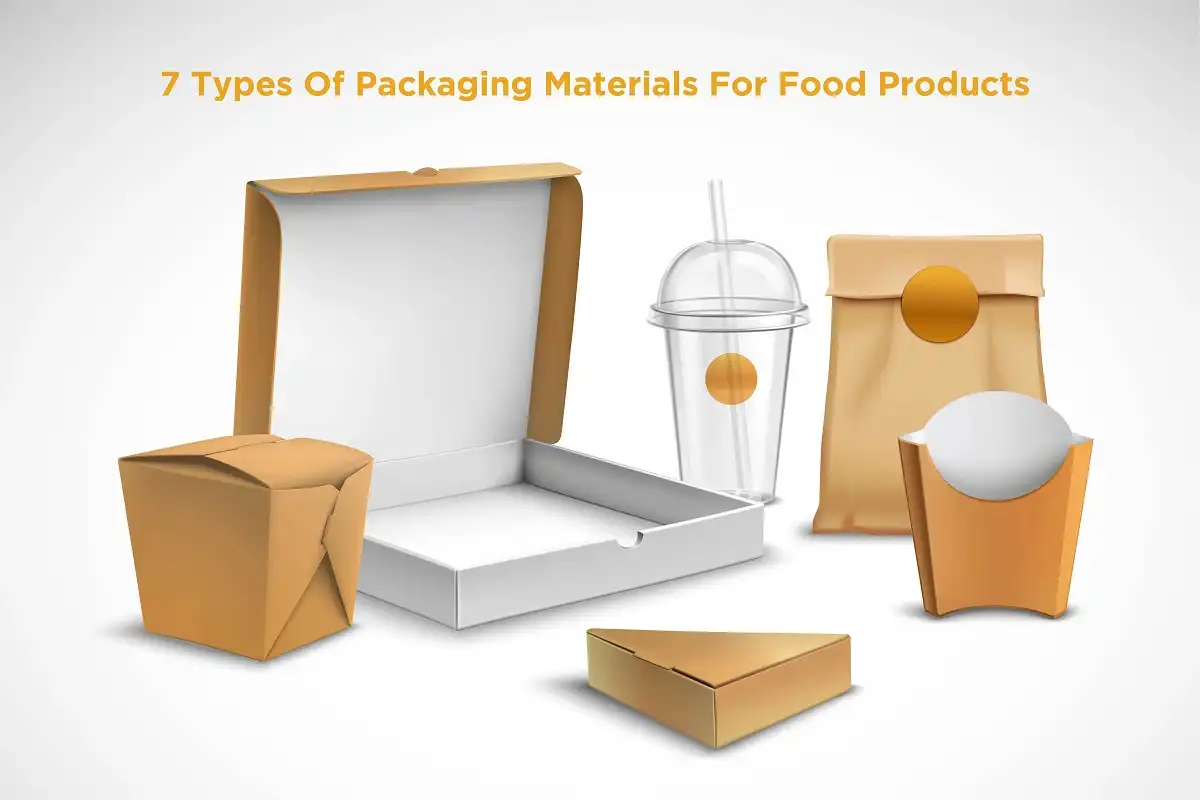
Image reference : www.packaginghelp.com
Technologies That Enable Safe Recycling for Food Packaging
Super-Clean Recycling
Processes like vacuum degassing, high-temperature washing, and chemical treatment are used to purify recycled plastics and remove contaminants.
Chemical Recycling
Unlike mechanical recycling, chemical recycling breaks down plastic polymers into monomers, removing impurities completely. The result is food-grade virgin-equivalent material.
Functional Barrier Layers
Multilayer packaging uses virgin plastic or aluminum as an inner barrier, ensuring that any potential contaminants in the outer recycled layers do not migrate into the food.
Looking Ahead: The Future of Recycled Food Packaging
The push for sustainability will only accelerate. Innovations like enzymatic recycling, digital watermarking for improved sorting, and intelligent packaging will enhance the safe use of recycled materials.
At the same time, regulatory agencies are beginning to adapt to these changes, recognizing chemical recycling and smart materials as part of the solution — while still maintaining the non-negotiable priority of food safety.
Conclusion
Recycled materials can be safely used in food packaging — if done right. It requires a careful balance of science, regulation, and industry diligence. By applying strict safety protocols, leveraging advanced technology, and staying informed about regulatory updates, the food industry can lead the way in sustainable packaging without compromising public health.
As a manufacturer, retailer, or brand, now is the time to invest in safe, certified recycled packaging solutions — both for the planet and the people you serve.